Why support this project?
Tasmania has a very high logging rate, accounting for 40% of all native forest log volume in Australia, which is more than WA, NSW and Queensland combined. The work by the Tasmanian Land Conservancy (TLC) aims to halt this by buying and conserving ecologically significant land.
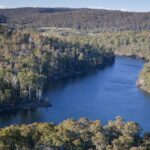
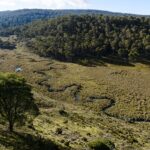
When the TLC purchased the land of the New Leaf project back in 2010, it was the biggest private conservation deal in Australia’s history. Notably, the land had previously been approved for timber harvesting. The project plays a crucial role in conserving Tasmania’s irreplaceable ecosystems and supports the protection of numerous threatened species, including the Tasmanian devil and the wedge-tailed eagle. The land is protected via legally binding and government monitored Conservation Covenants.
Who we work with?
Established in 2001, the Tasmanian Land Conservancy (TLC) is a for-purpose (not-for-profit), science and community-based organisation that aims to protect ecosystems of high biodiversity value by purchasing and managing private land in Tasmania. TLC also works alongside landholders to help them identify, protect and manage nature on their properties.
Carbon Impact
Since registration under the Emissions Reduction Fund (ERF) in 2015, the project has generated just over 150,000 Australian Carbon Credit Units (ACCUs).
This project was previously, and for a short time, registered under the Verified Carbon Standard (VCS) Program, where it generated just over 70,000 Verified Carbon Units (VCUs). This means that, in total, the project has led to the abatement of more than 220,000 tonnes of carbon dioxide equivalent.
In regard to project permanence, the perpetual conservation covenant is attached to the land title and travels with land title to any future landowner should they be on-sold. These conservation covenants are registered through and monitored by the Department of Natural Resources and Environment Tasmania.
Community and Biodiversity Impact:
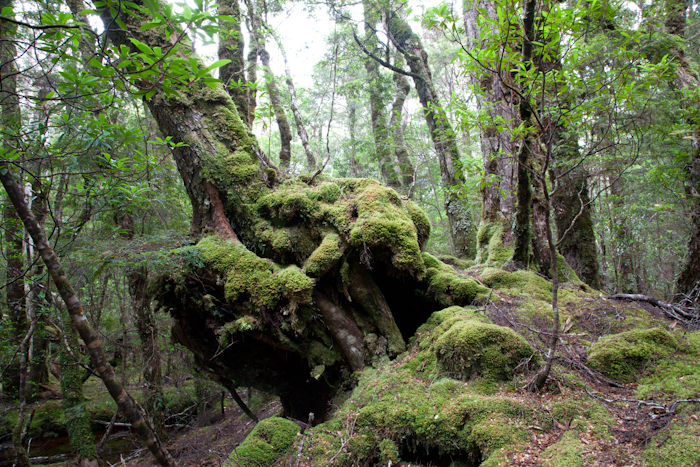
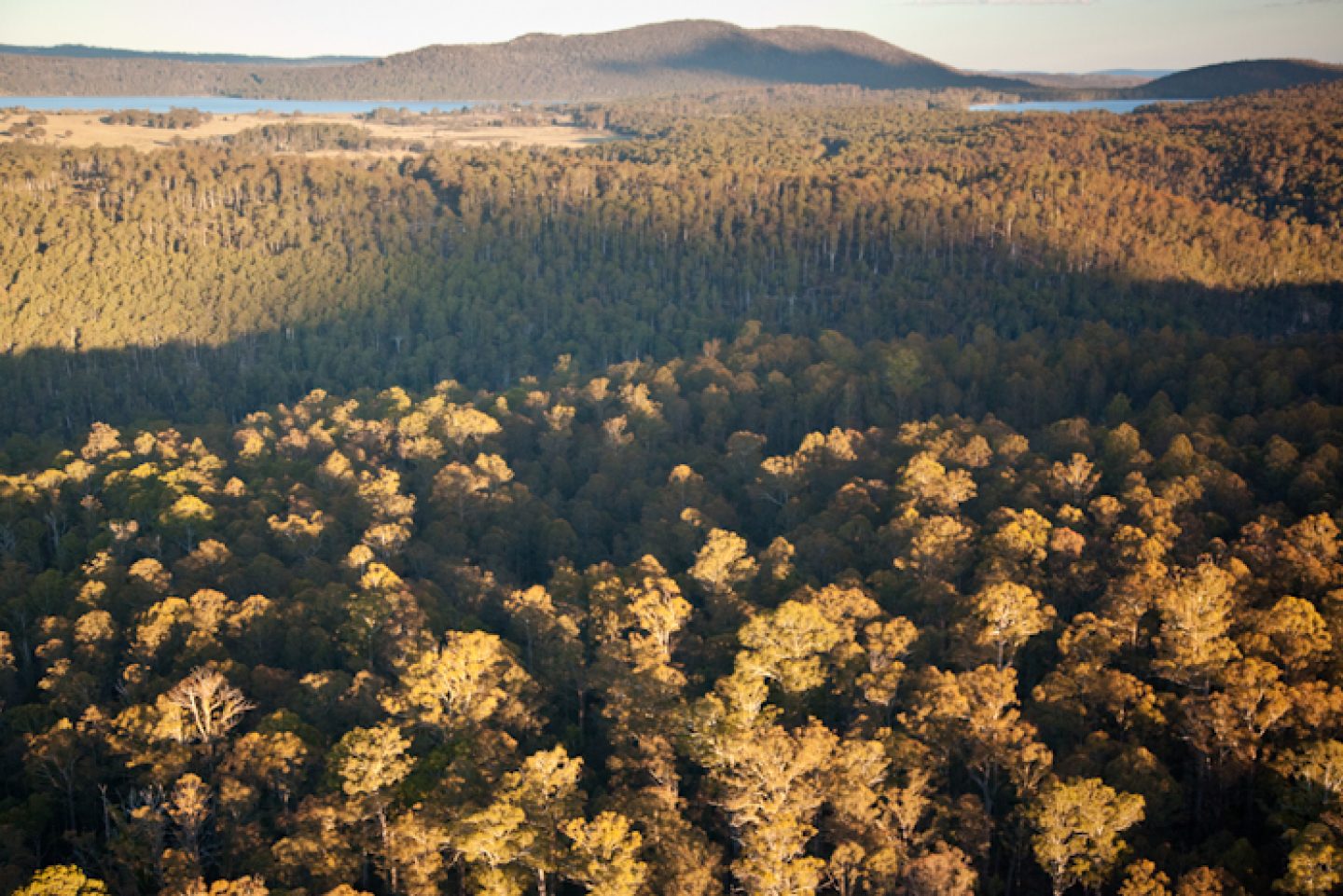
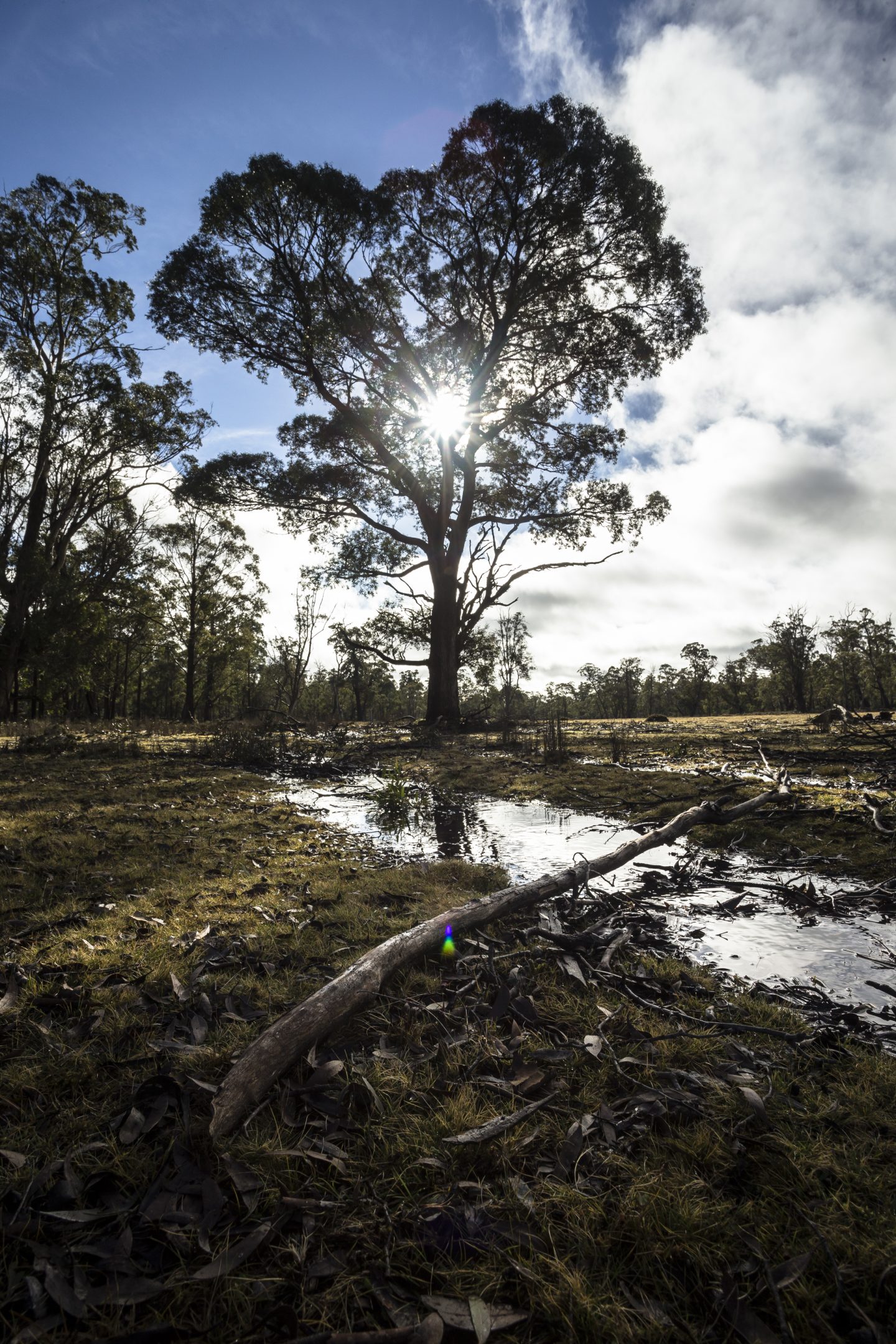
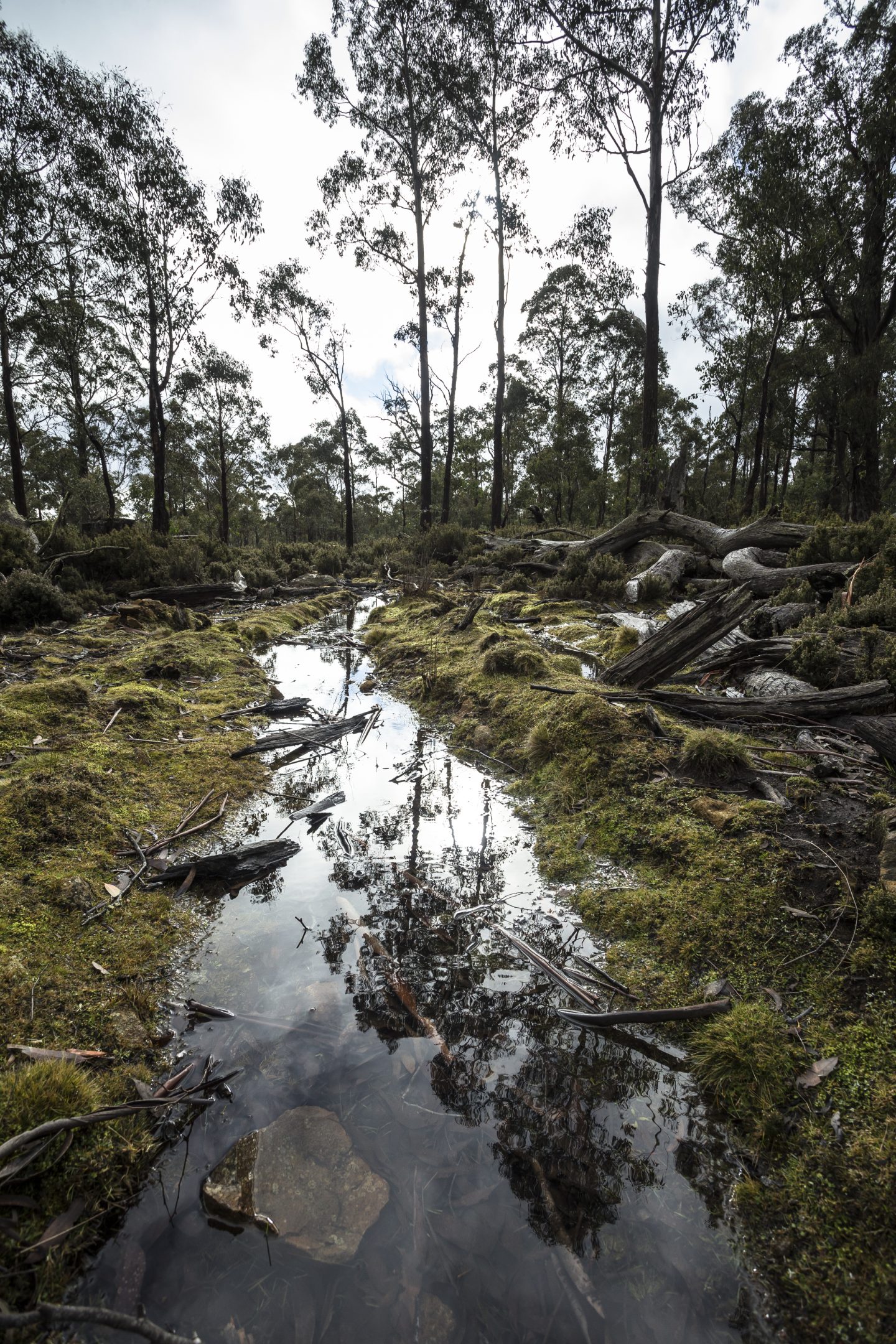
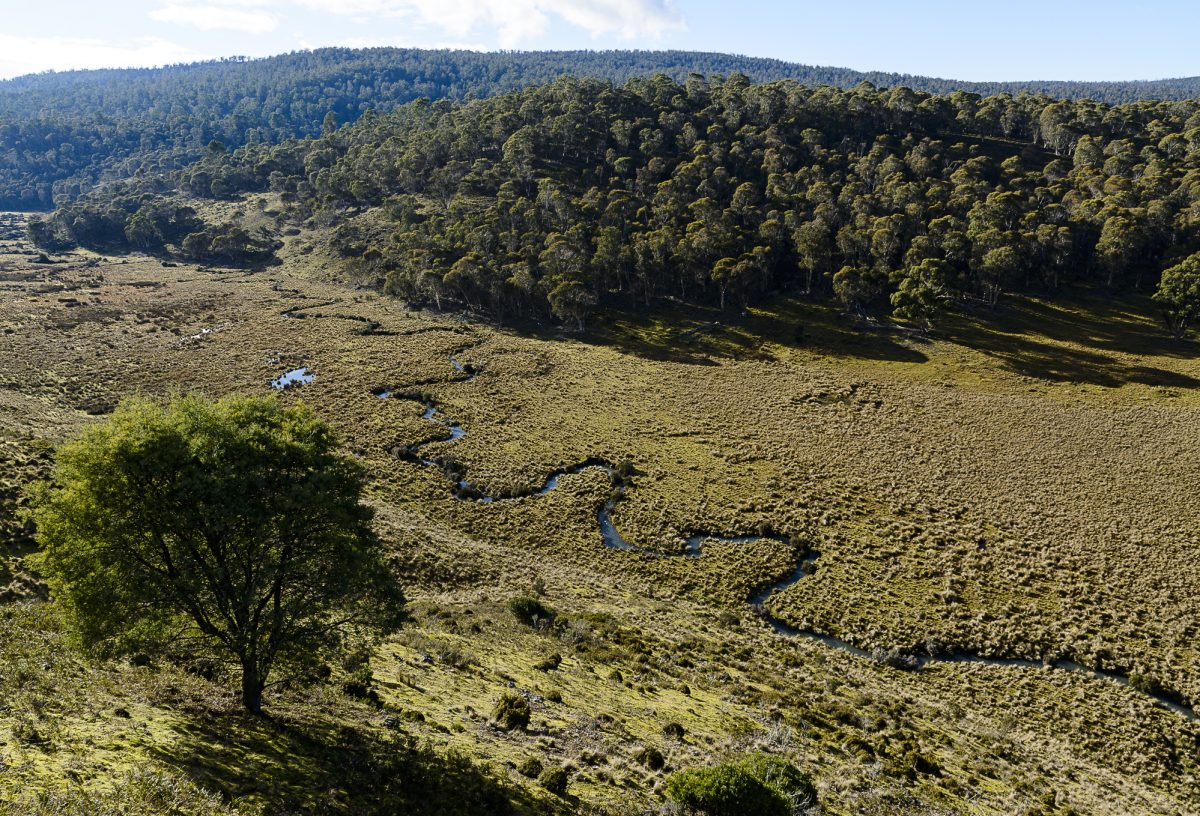
The project protects a vast array of Tasmanian ecosystems, including ancient rainforests, sub-alpine forests, and lowland woodlands. By halting logging activities across 12,000 hectares of land, the project safeguards critical habitats for several endangered species, such as the Tasmanian devil and wedge-tailed eagle. Additionally, the project contributes to the preservation of Tasmania’s unique biodiversity by ensuring long-term protection of rare and threatened species and supporting vital ecological processes.
This project is a prime example of a sustainable economic model through carbon credit trading; TLC can help provide this model to local landholders and communities to enable continued conservation efforts whilst creating a market-driven solution for carbon abatement.
Real and Lasting Impact:
Permanence:
The risk of not meeting permanence requirements for this project is considered low. In addition to adhering to required commitments, with risks to permanence identified as fire, pests, extreme weather, and market changes, The Tasmanian Land Conservancy’s constitution requires the project to be protected via a perpetual conservation covenant. The conservation covenants are registered through the Tasmanian Department of Natural Resources and Environment and monitored by the Department.
The perpetual conservation covenant is attached to the land title and travel with land title to any future landowner should they be on sold. Also to ensure the properties remain within the project landowners are required to sign a Forestry Rights Agreement (FRA) and a Land Stewardship Deed. The FRA is registered on the Land Title and vests the “trees” to TLC and therefore TLC retains that interest, the FRA is a 99-year agreement. The Land Stewardship Deed is an agreement between the owner and TLC where the Landowner has given certain covenants related to the management and stewardship of the Land in the Forestry Rights Agreement area. The Landowner has granted the TLC all Carbon Sequestration Rights (which includes the right to generate Carbon Units) in respect of the Site pursuant to the terms of the Forestry Rights Agreement.
All properties sold are also required to be visited by TLC staff on an annual basis and discussion undertaken with the landowners about any issues that might pertain to the Forestry Rights Agreement area (the carbon stock).
Properties with conservation covenants are also monitored by the Department of Natural Resources and Environment as part of their stewardship program for monitoring the performance of the conservation covenant in managing natural values.
Geospatial analysis by TEM staff of satellite data confirms stable and increasing forest cover across most areas, except for temporary declines due to fire and drought in 2019-2020. Monitoring and adjustments ensure the project’s permanence is maintained.
Additionality: The risk of not meeting additionality requirements for this project is considered low. Additionality was demonstrated using a tool required at registration, showing that selective logging was ongoing and financially attractive in the absence of the project. The carbon project prevents further logging, making it additional to the business-as-usual scenario. Evidence, including logging permits and geospatial analysis, was validated by an independent verifier. Though post-2014 validation reports aren’t publicly available, geospatial analysis confirms no clearing has occurred since the project’s start, indicating additionality has been maintained.
Leakage: No leakage identified. The potential for leakage was assessed upon registration to Verra and confirmed to be valid in the initial audit. Ongoing audits are not available to confirm no leakage has occurred since registration due to transition to the Australian Emissions Reduction Fund.
SDGs: The project helps to address the following United Nations Sustainable Development Goals: