


Why support these projects?
Through this Climate Active eligible portfolio, you can support credible decarbonisation, invest in improving health and community outcomes, and finance conservation of native Australian biodiversity.
This portfolio brings together high-impact clean cooking and renewable energy carbon solutions that address both household health and national decarbonisation, while extending that impact to conservation efforts locally.
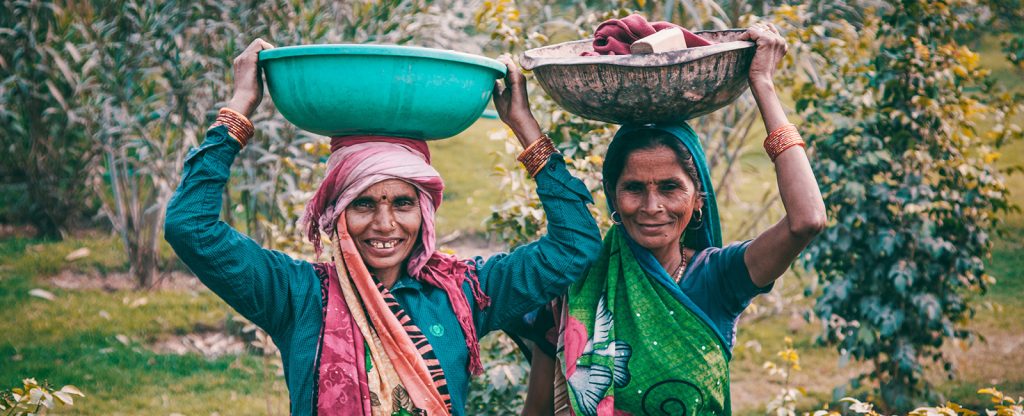
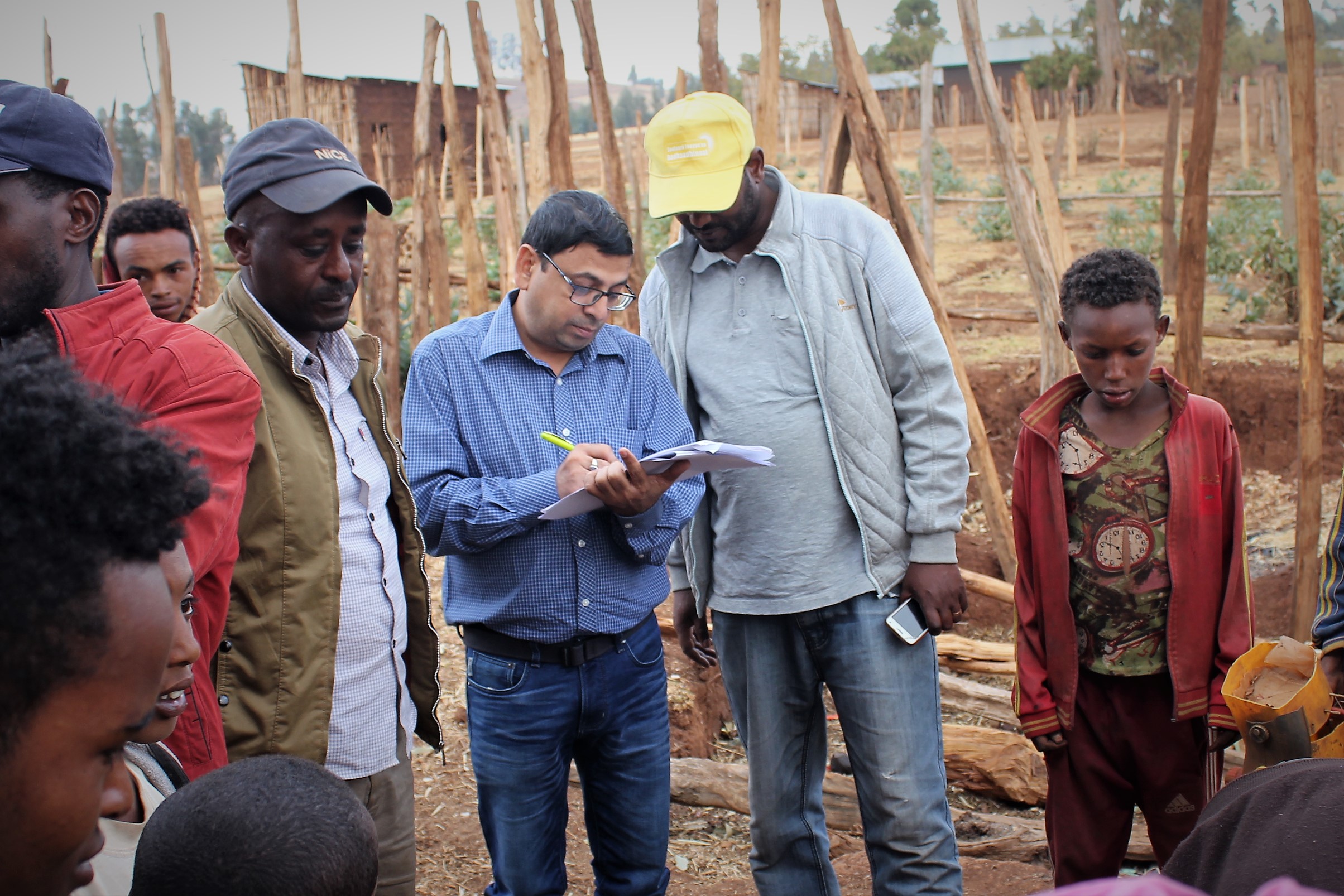
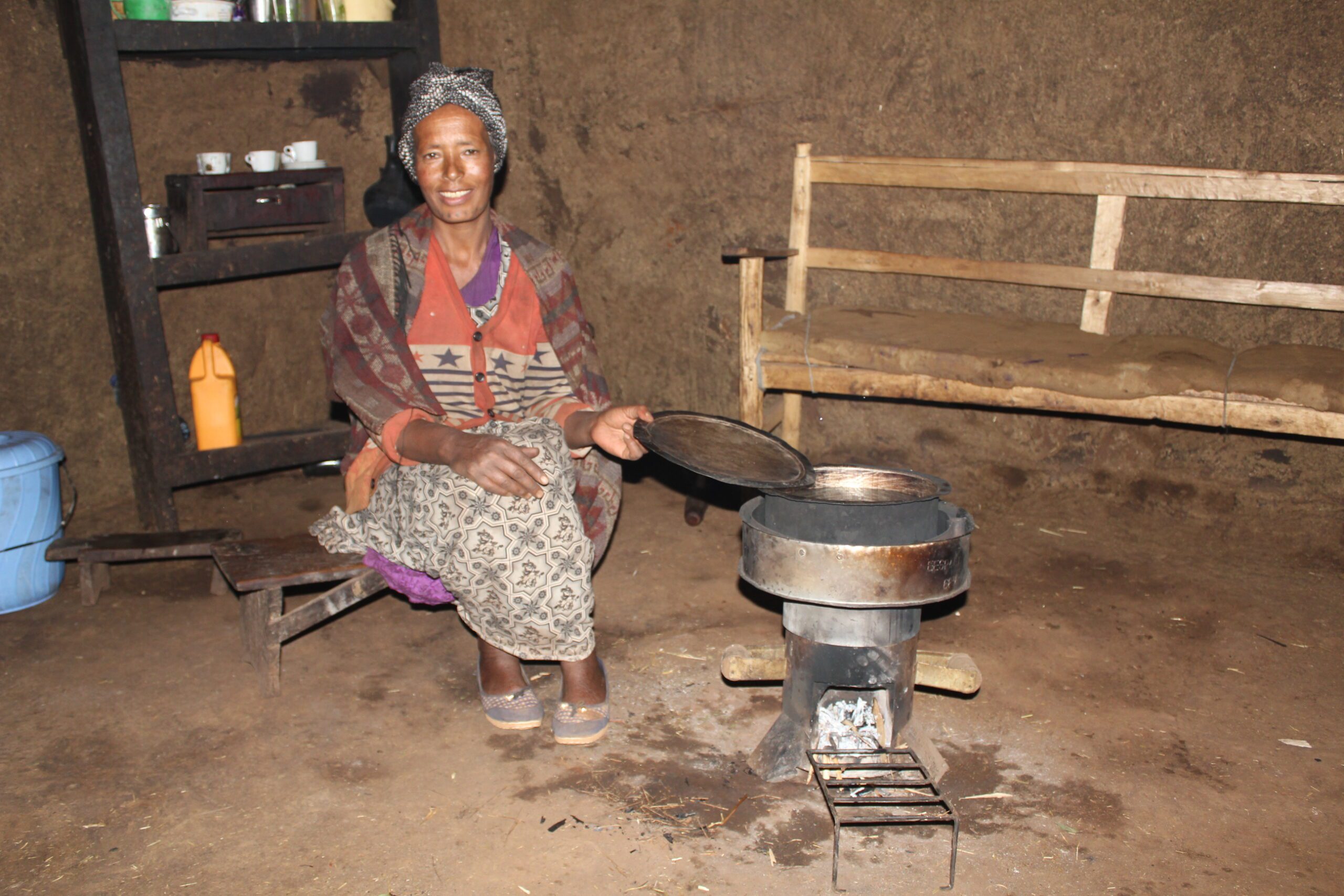
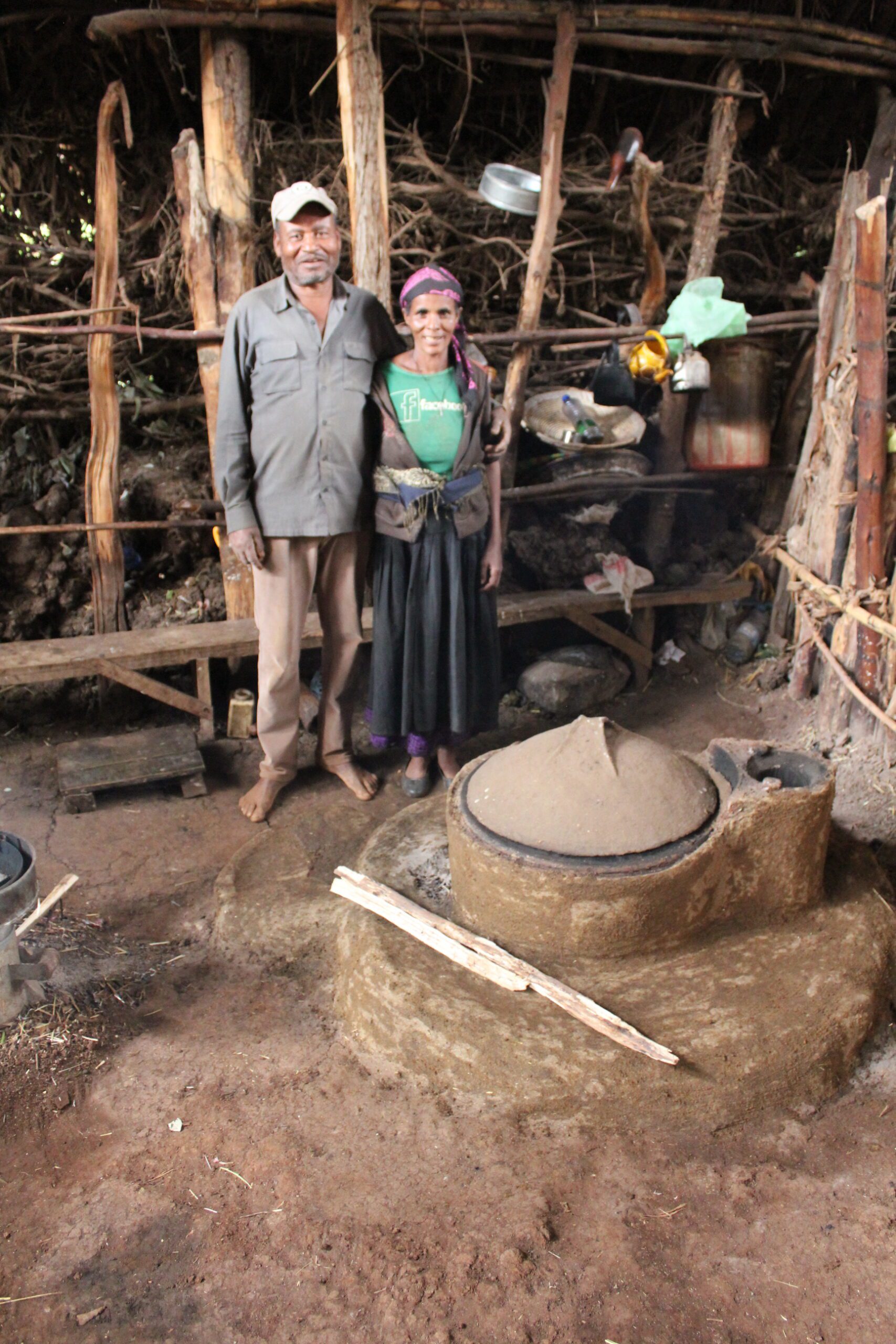
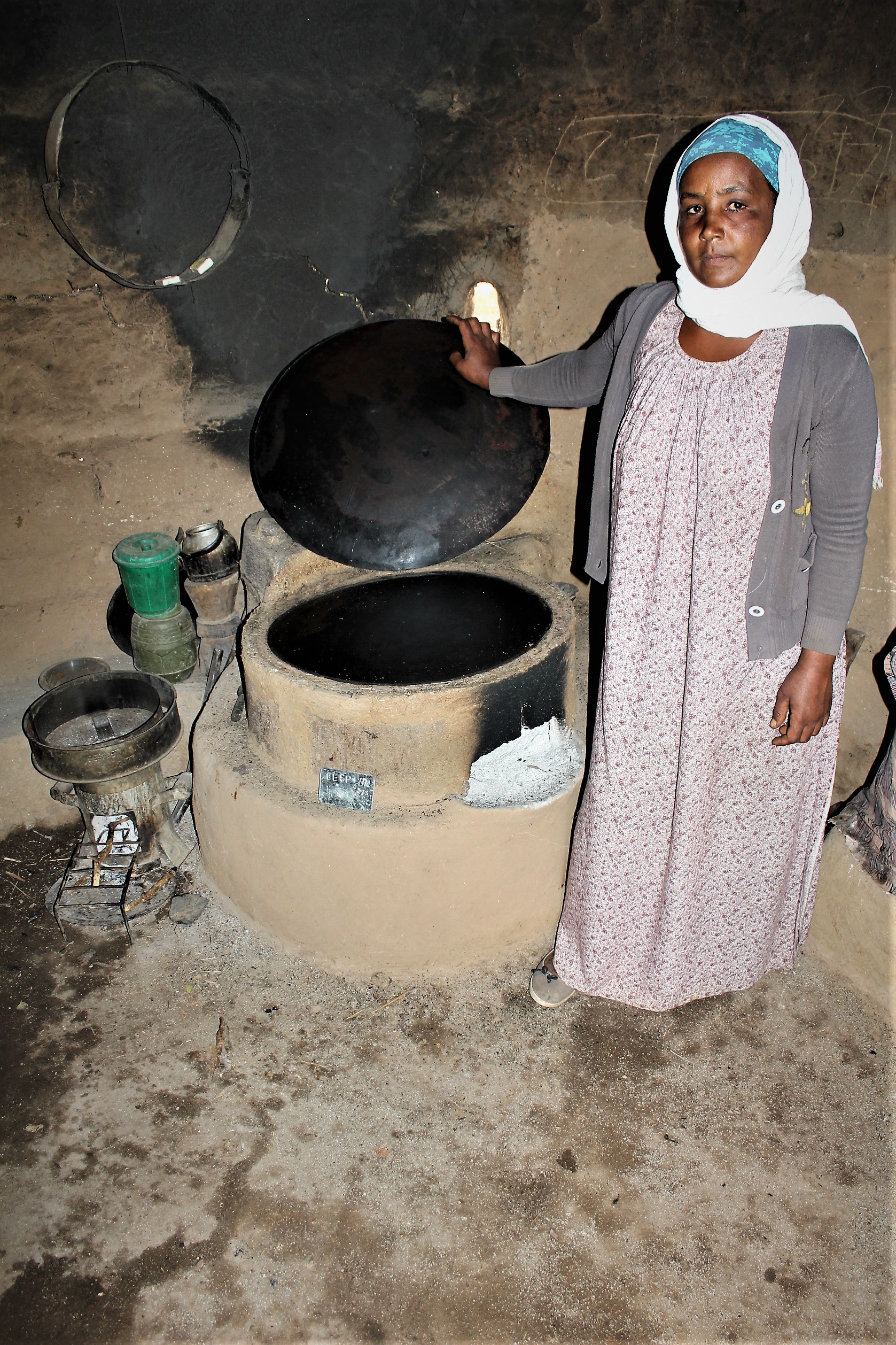
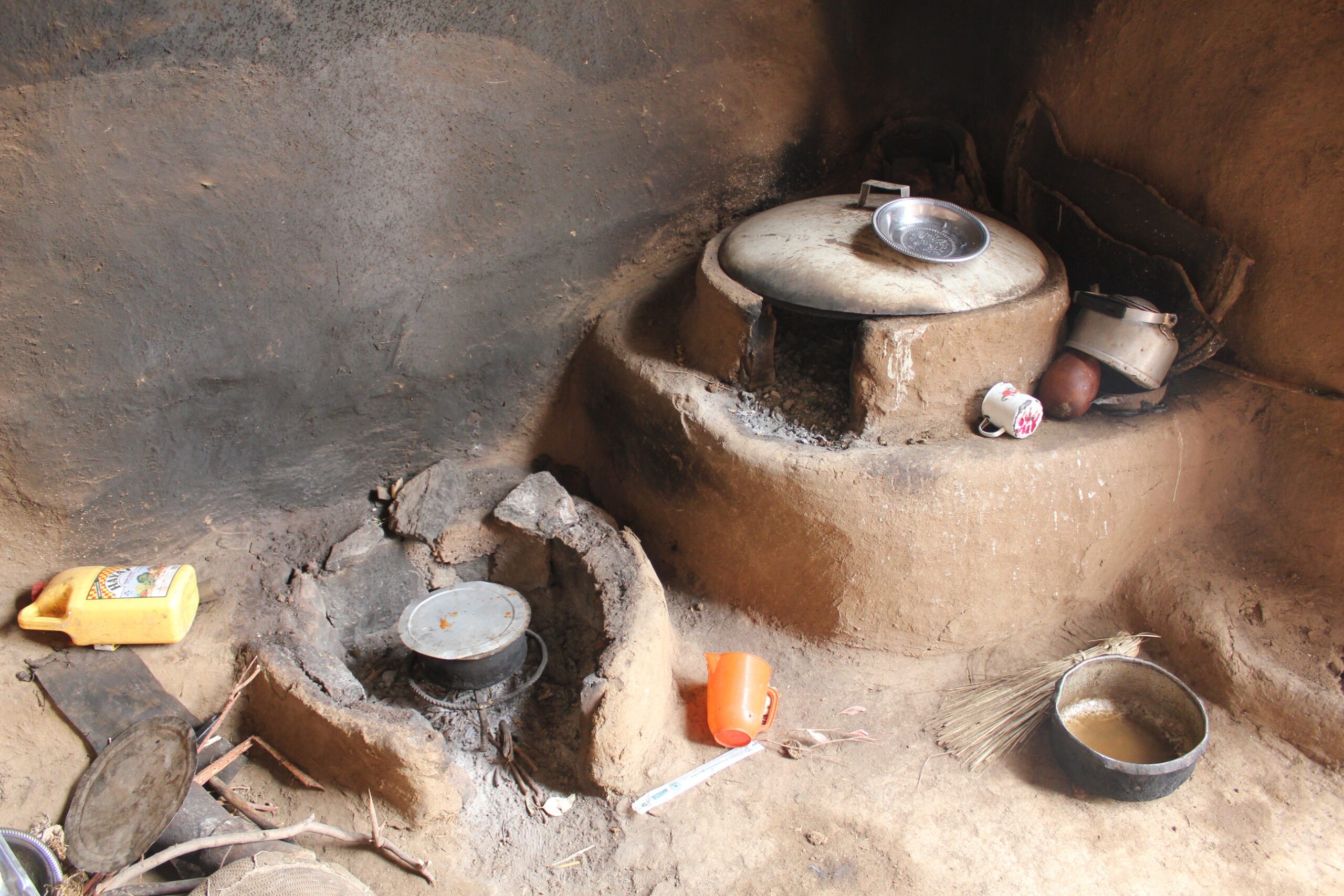
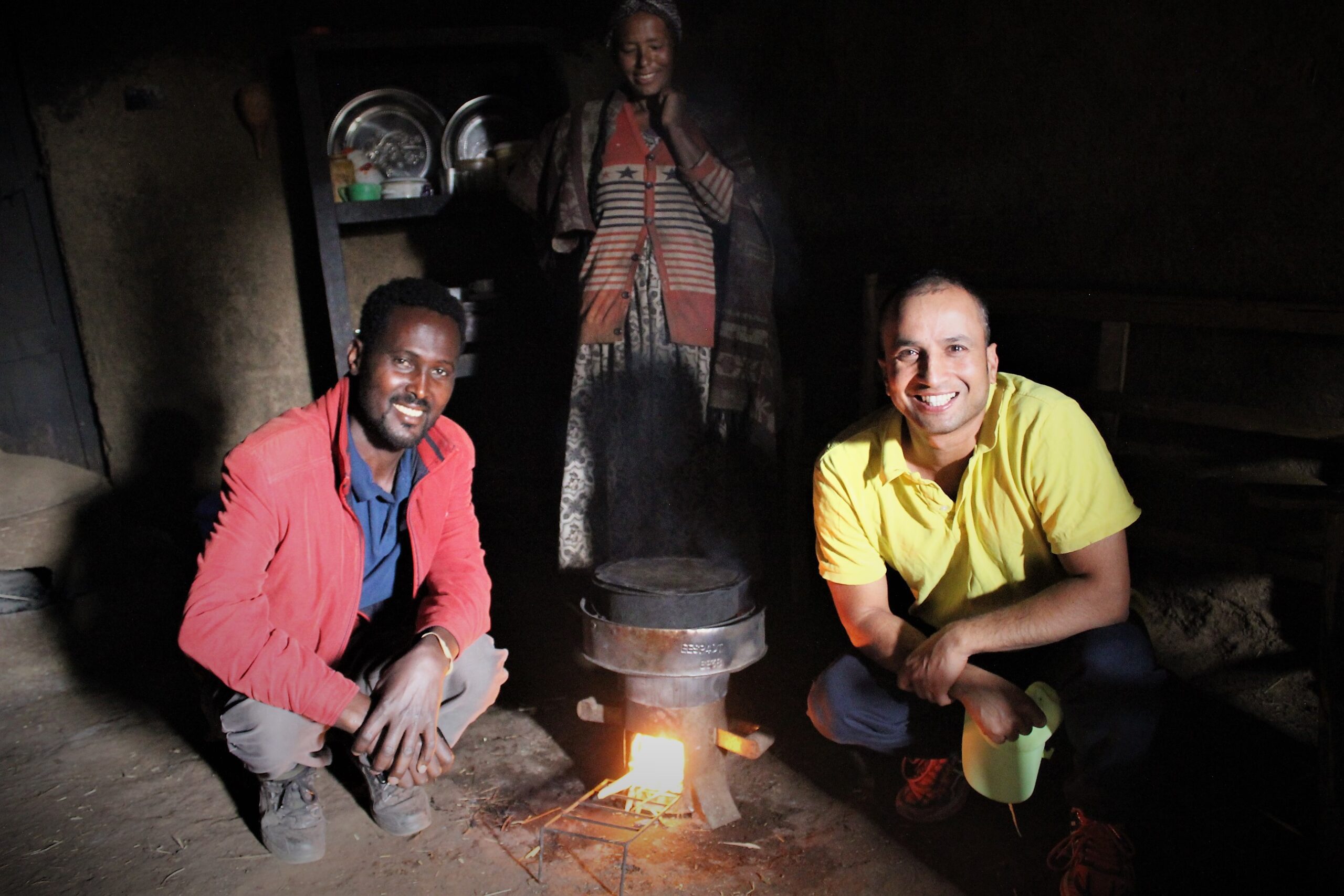
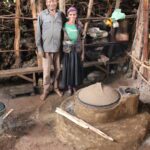
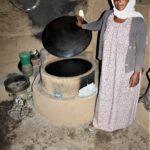
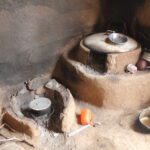
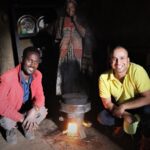
World Vision Clean Cookstoves Project: Efficient cookstove distribution in rural Ethiopia reduces smoke exposure for women and children while easing pressure on rapidly declining forests. More than 100,000 stoves and 250 women-led cooperatives now support safer cooking and improved livelihoods.
Cepco Wind Power Project: Registered under the UN’s Clean Development Mechanism (CDM) project advances India’s 2030 renewable‑energy goals by expanding wind-solar capacity in Rajasthan while also investing into local communities, boosting jobs, infrastructure, and long‑term energy resilience.
Together, these projects deliver verifiable emissions reductions, meaningful community benefits, and scalable pathways toward cleaner energy and healthier living conditions.
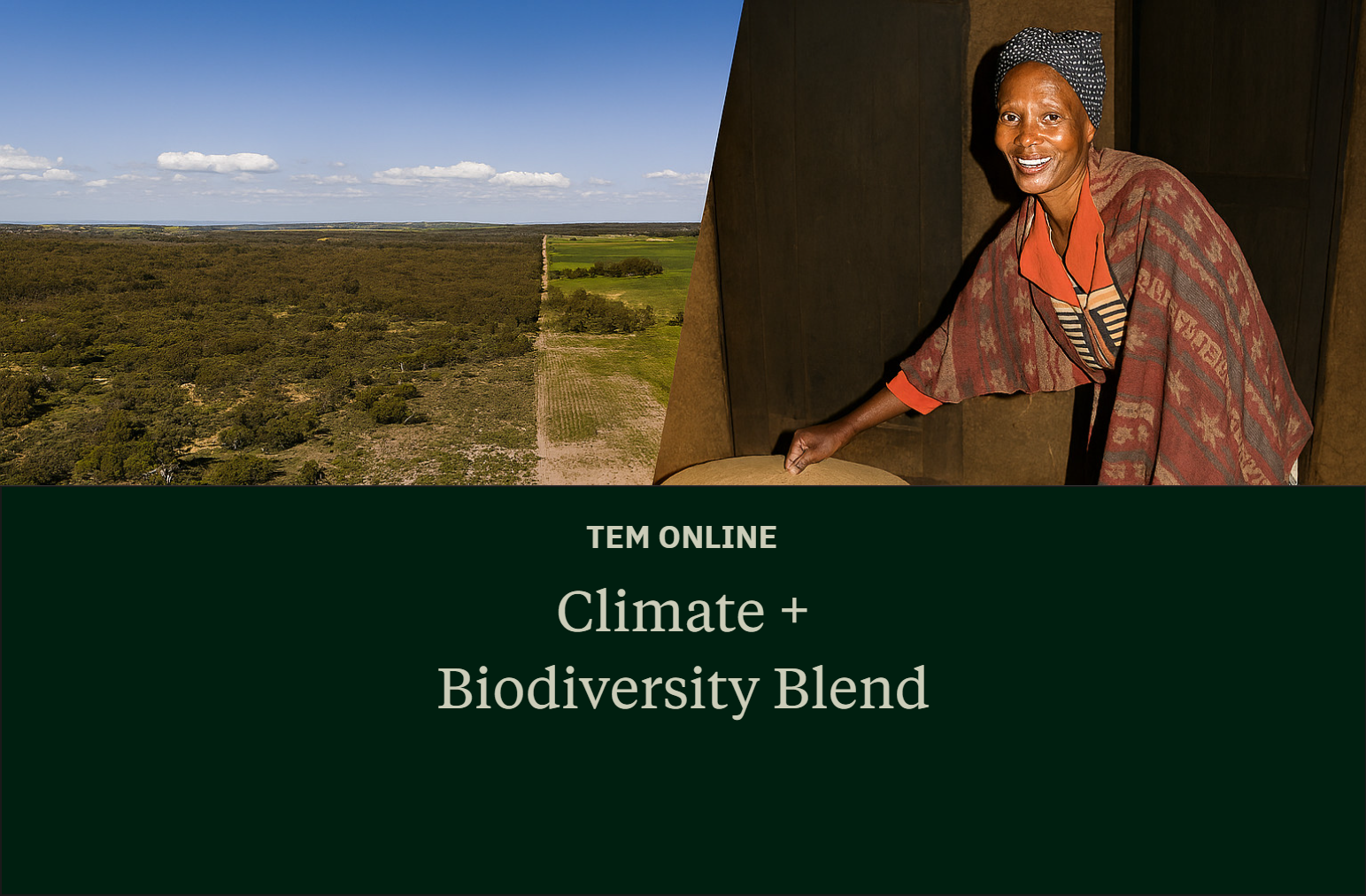
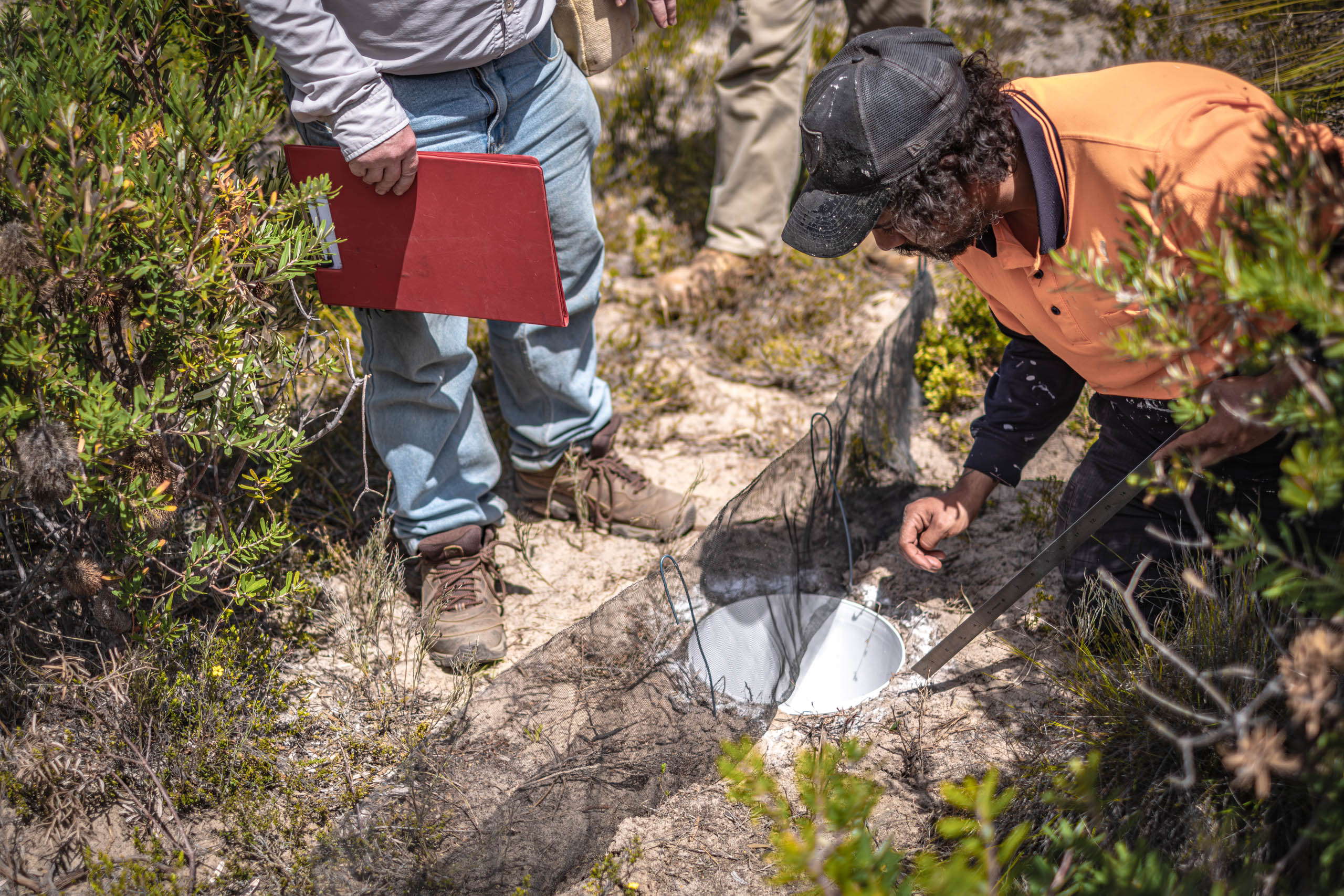
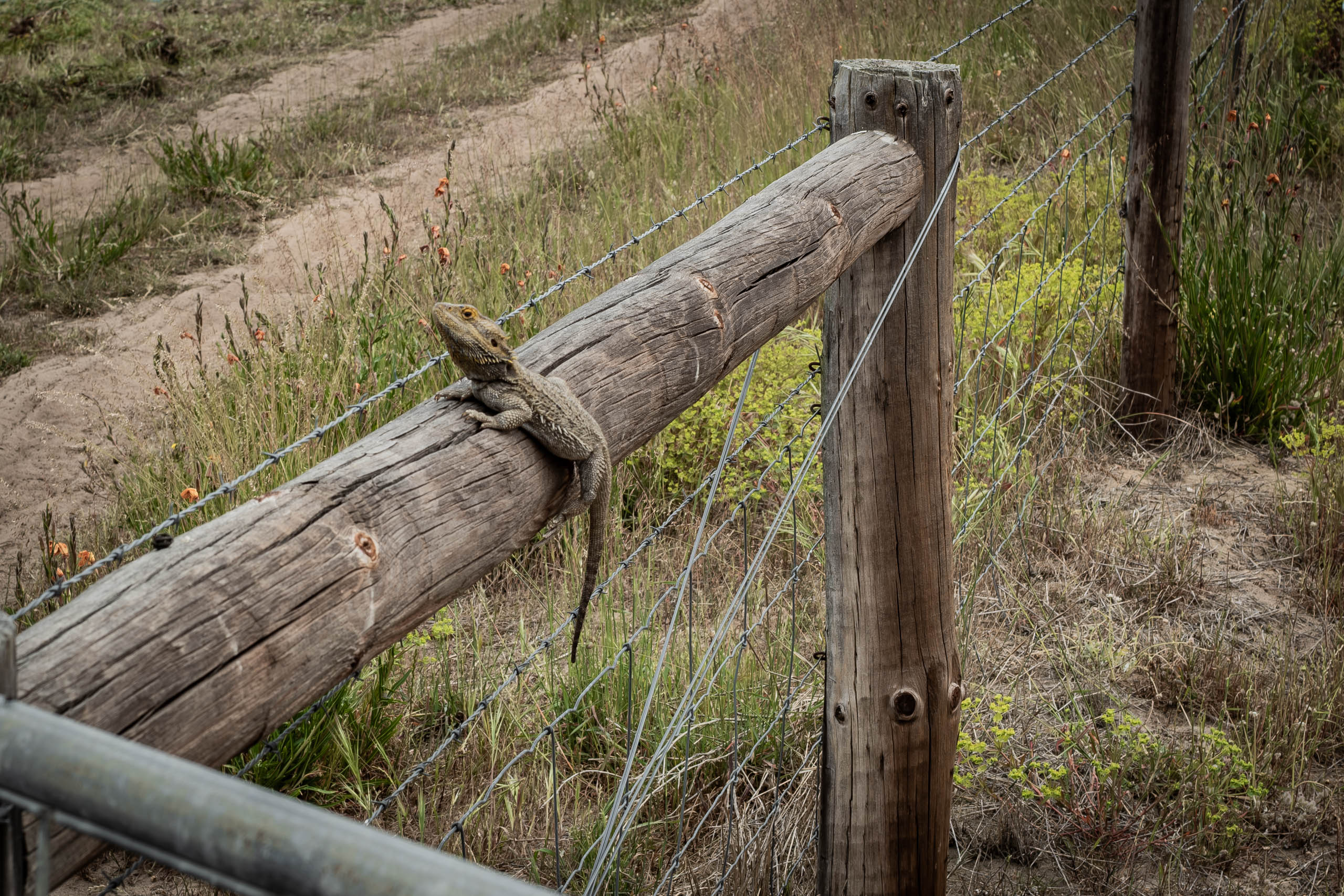
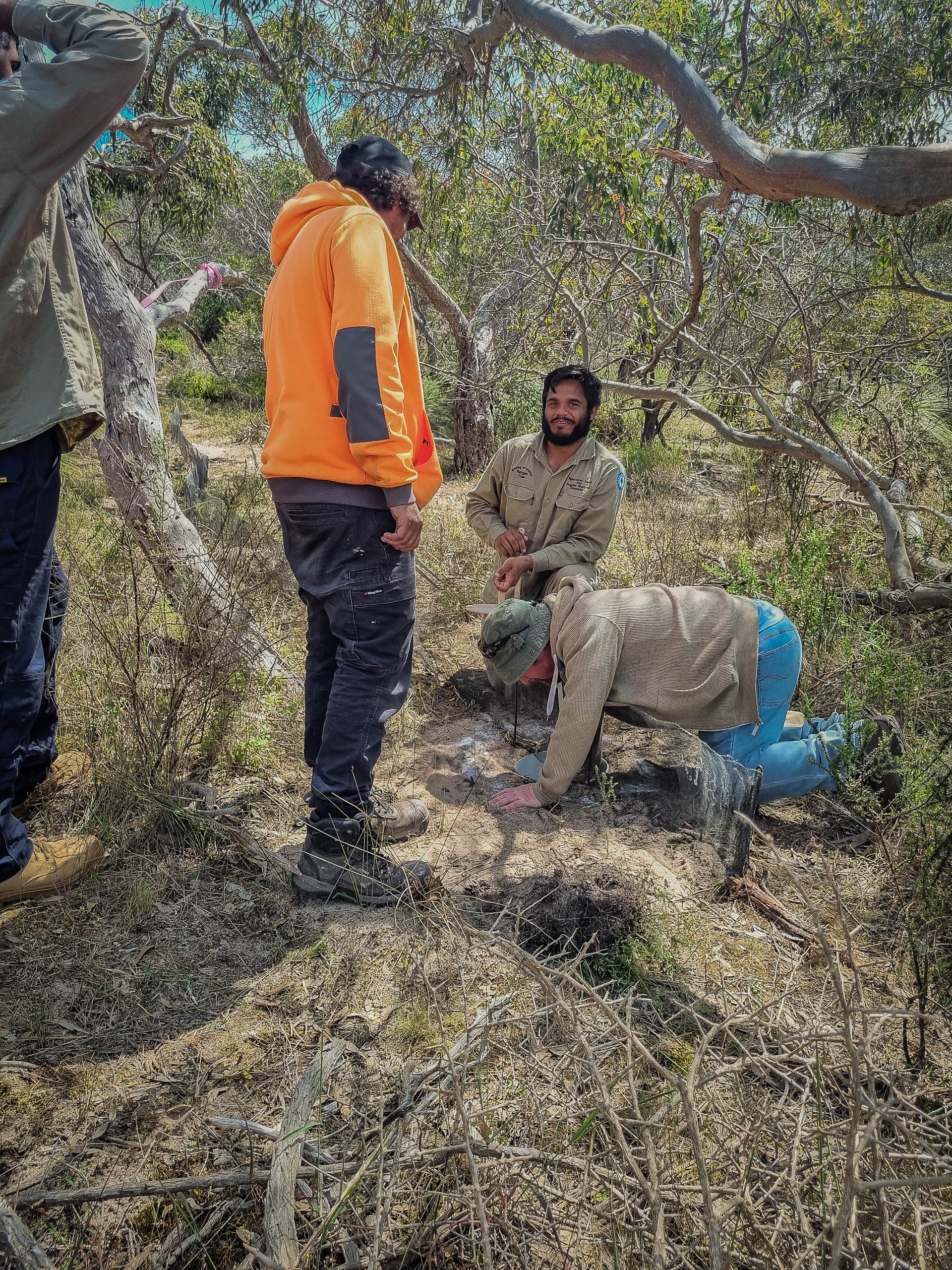
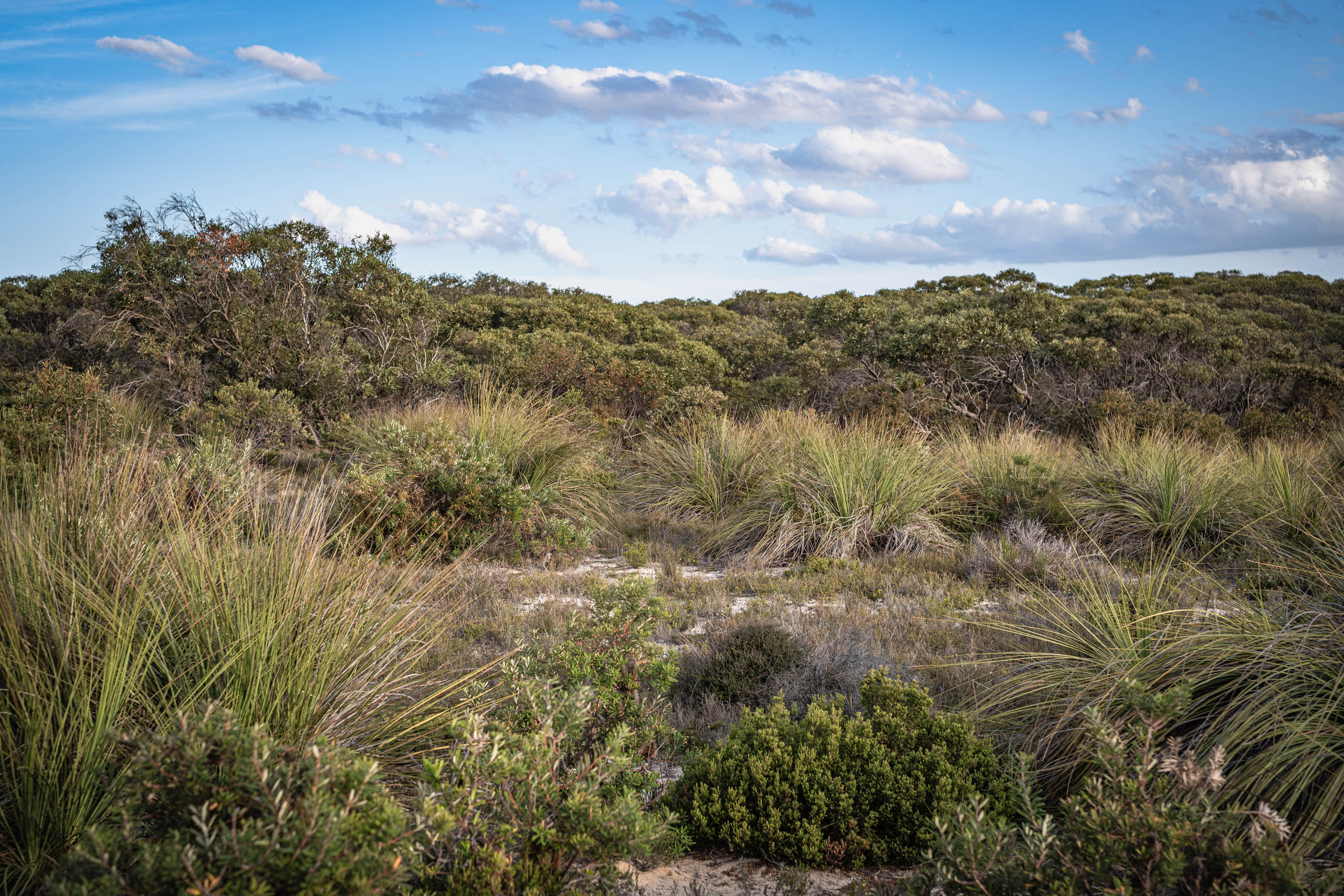
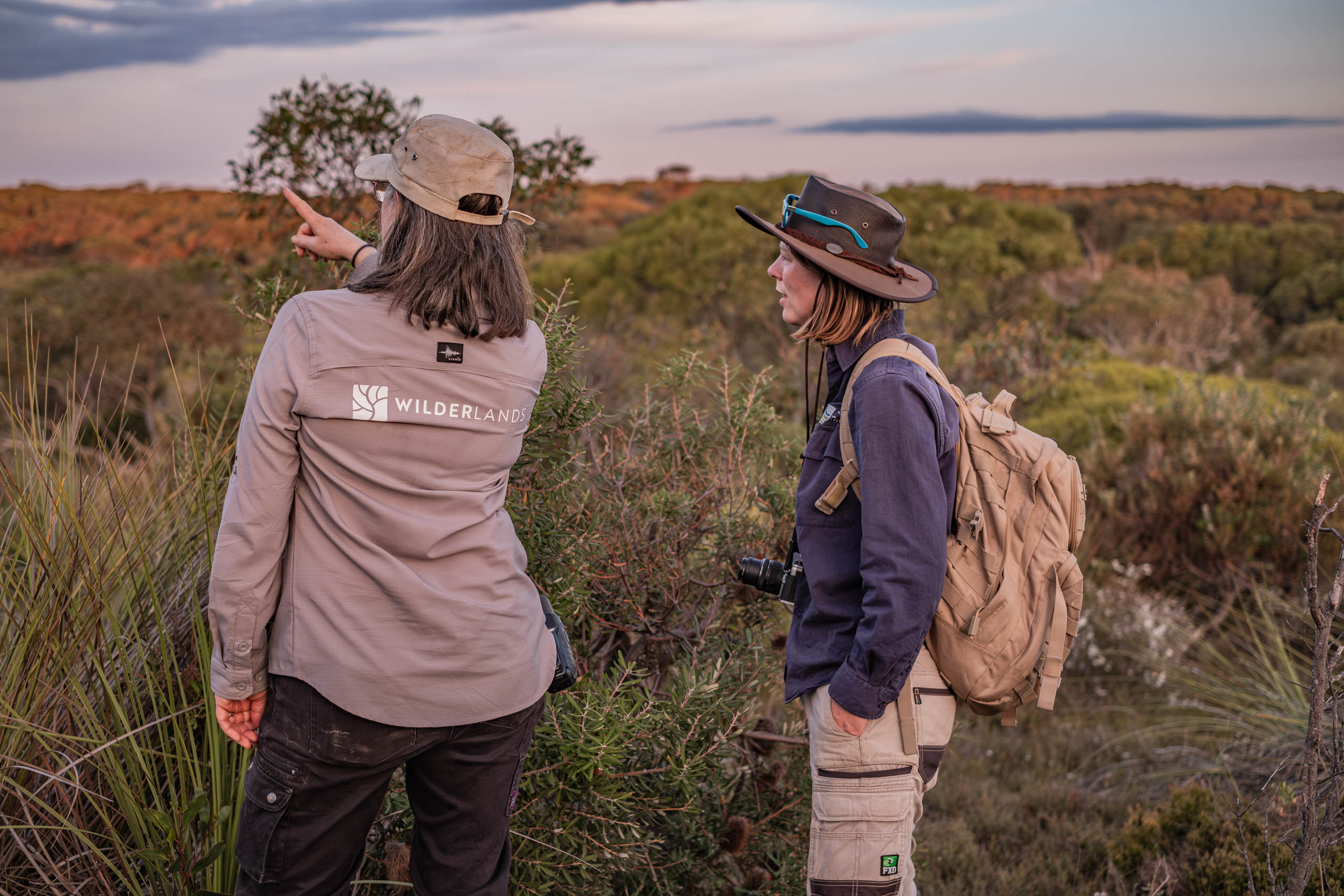
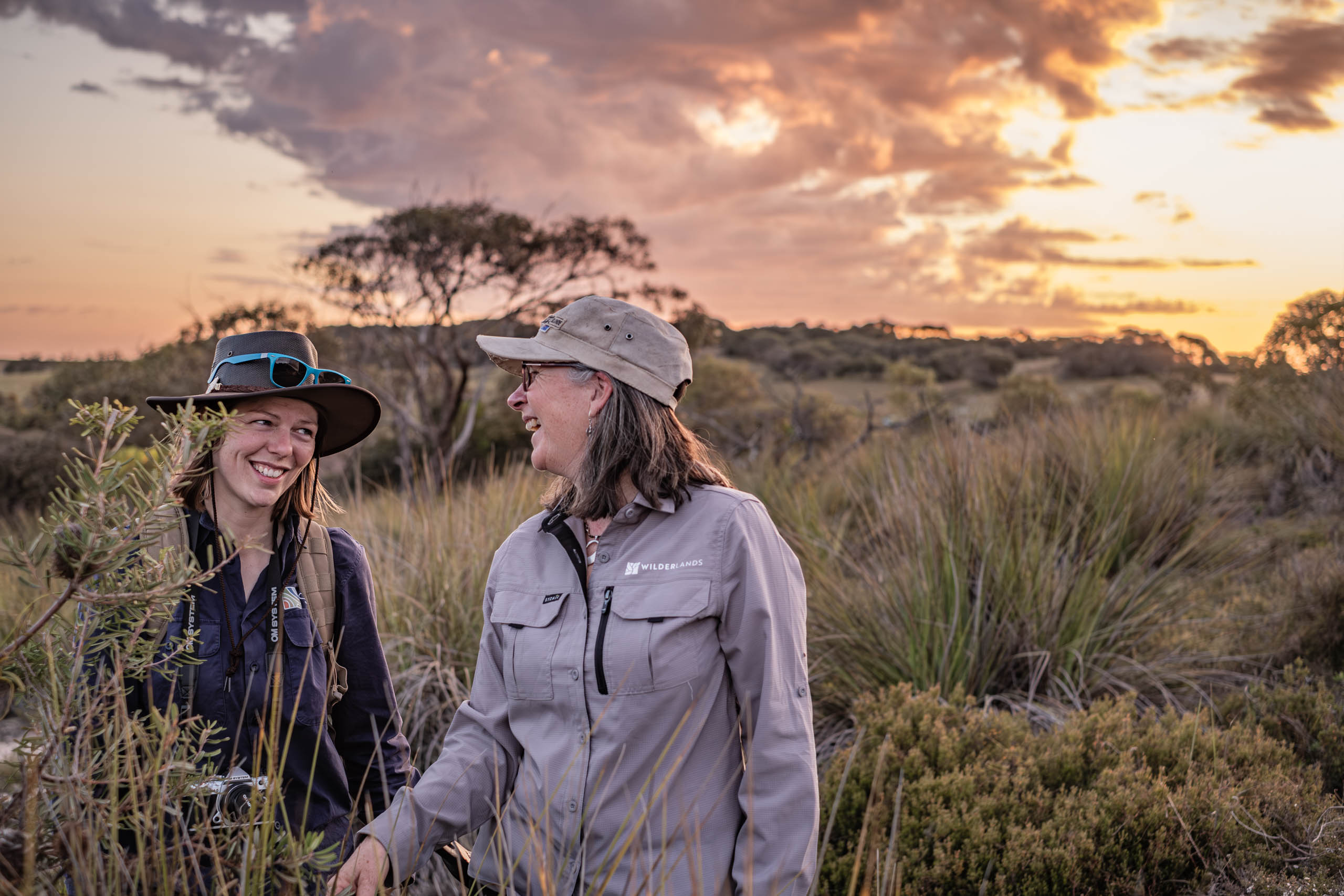
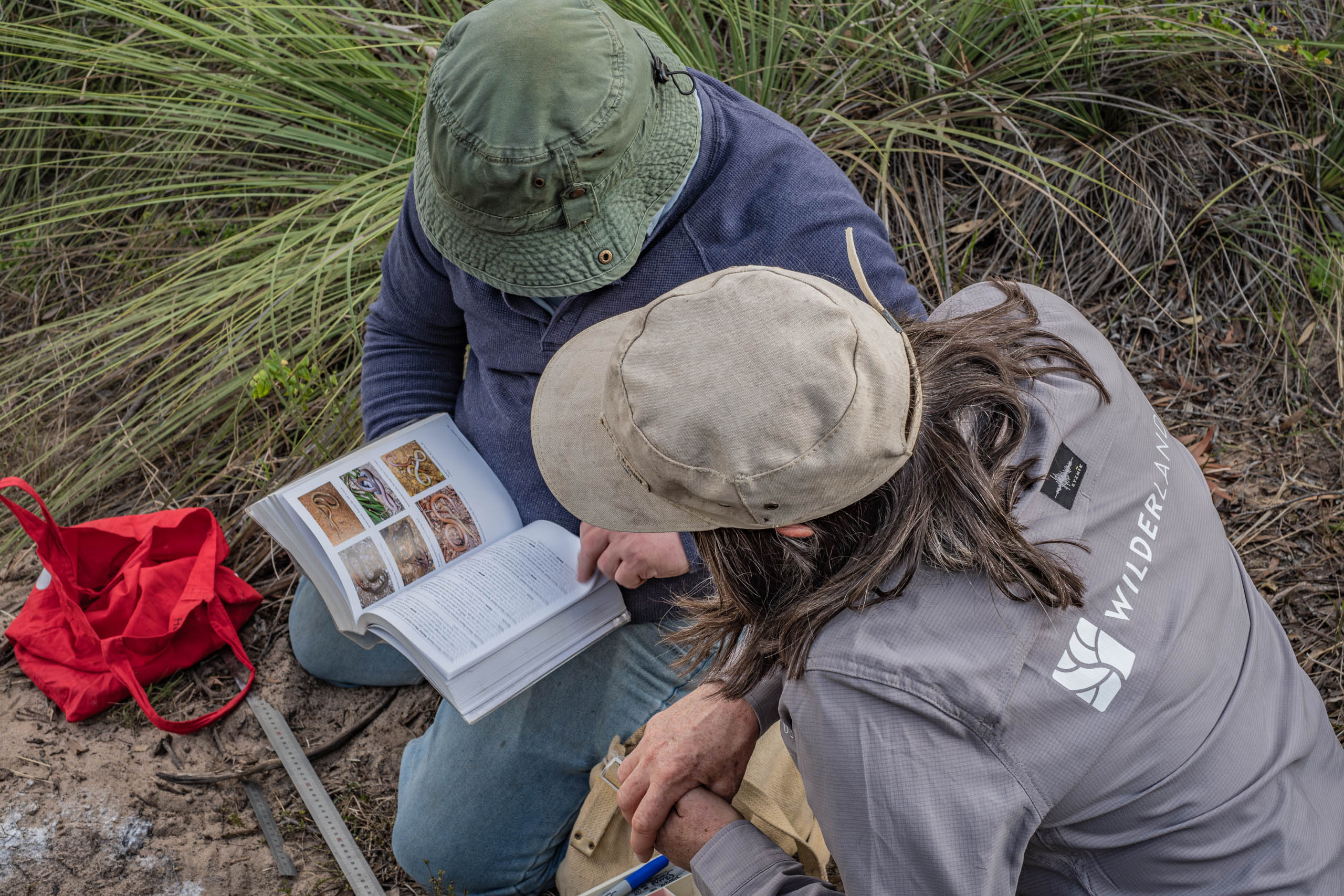
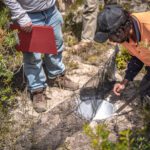
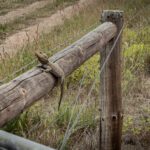
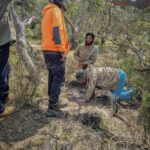
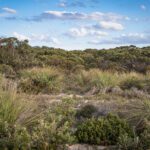
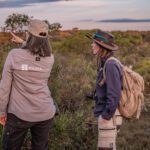
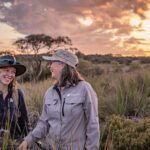
Coorong Lakes Ecosystem Restoration: Each Biological Diversity Unit (1 Sq. meter of land) issued by our project partner, Wilderlands, provides legally-backed permanent protection and 20 years of active management of a designated area within the Coorong Lakes region, located south of Meningie in South Australia. The reserve is owned and managed by Cassinia Environmental as a conservation reserve in partnership with local Ngarrindjeri people.
For businesses looking to make a verifiable global and local impact.
Ecosystems around the planet are under threat from farming, logging and invasive species.
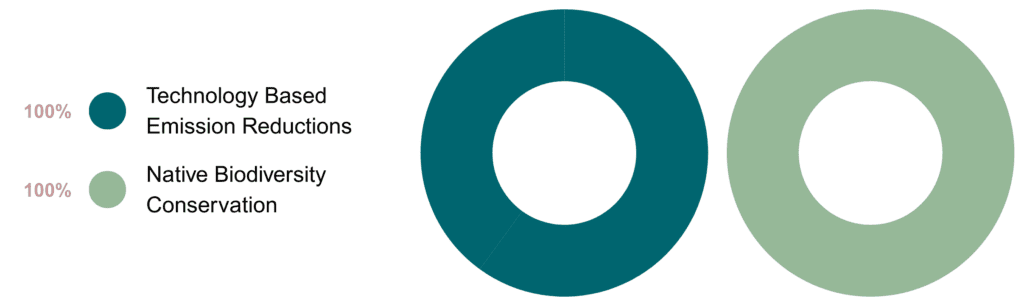
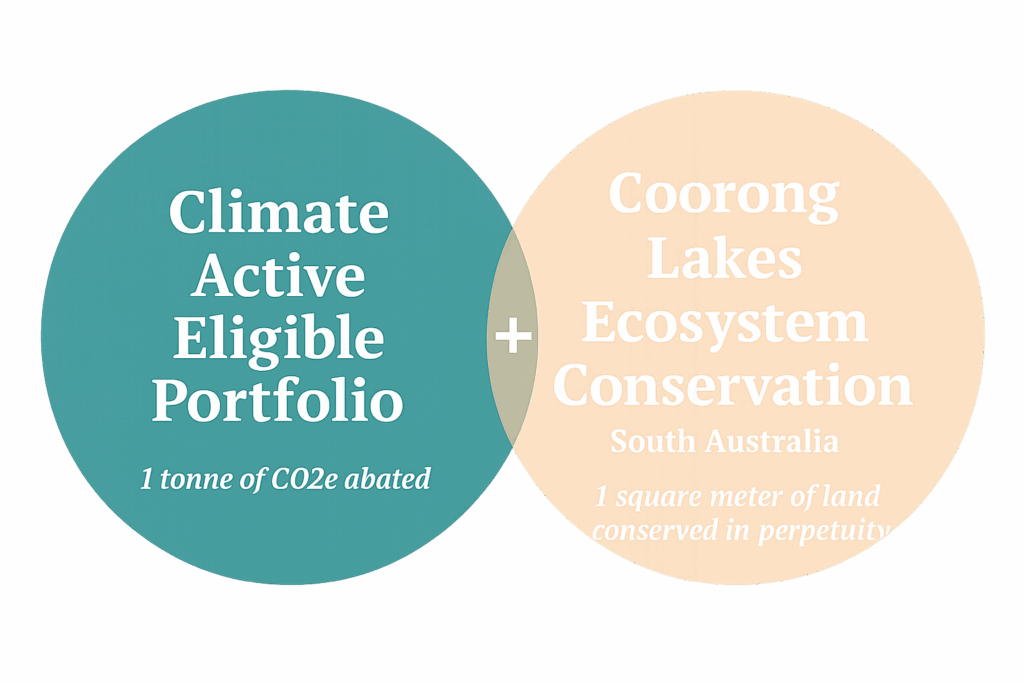
This “Climate + Biodiversity” portfolio solution from TEM in partnership with Wilderlands enables businesses to fund the permanent protection of Australian native ecosystems in South Australia while simultaneously purchasing an equivalent volume of carbon abatement, with each tonne of carbon retired alongside one biodiversity credit on a 1:1 basis.
This combined approach meets the requirements of the Australian Government’s Climate Active program, with both the carbon units and biodiversity credits independently issued and retired on separate registries.