Why support this project?
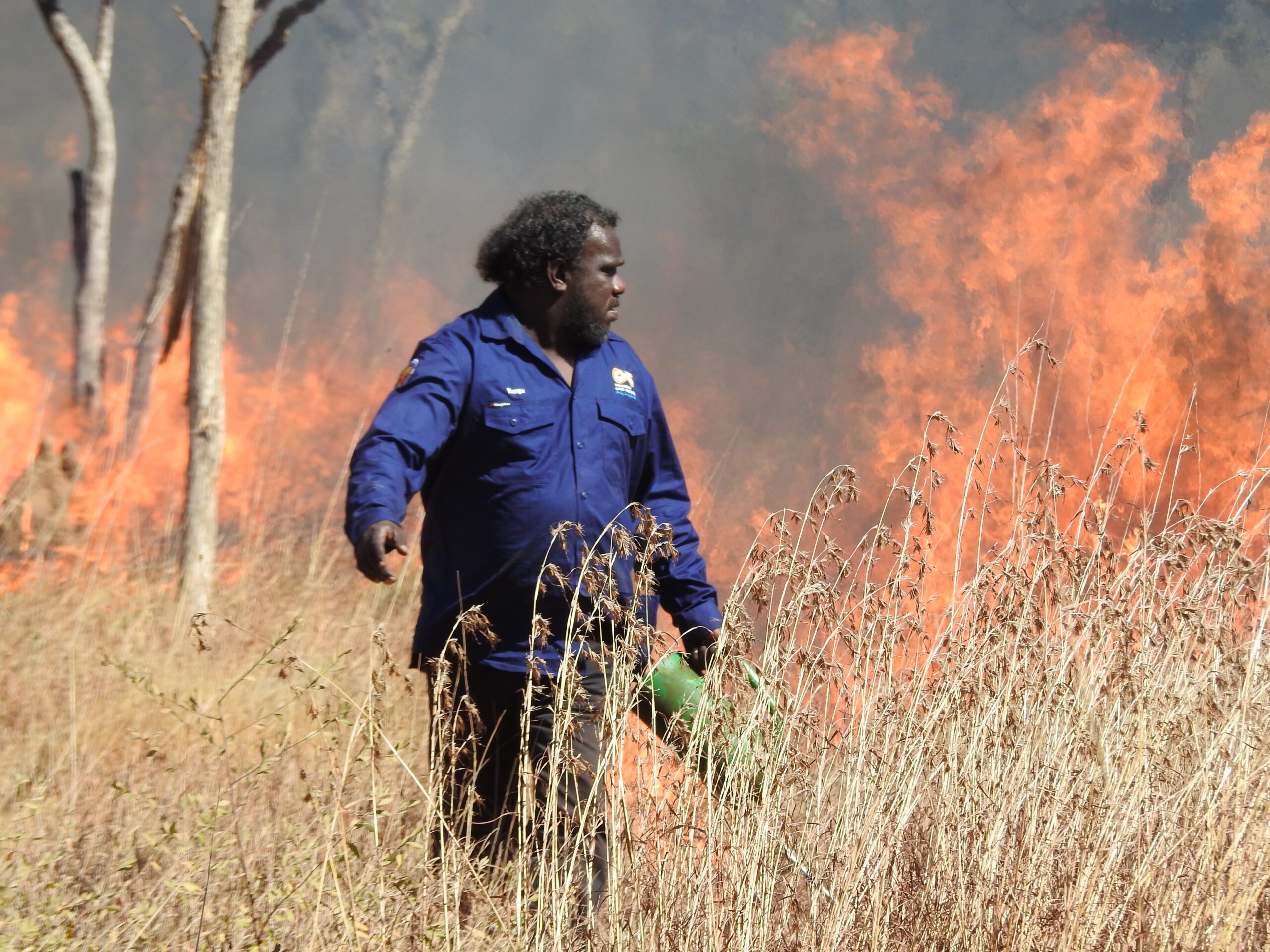
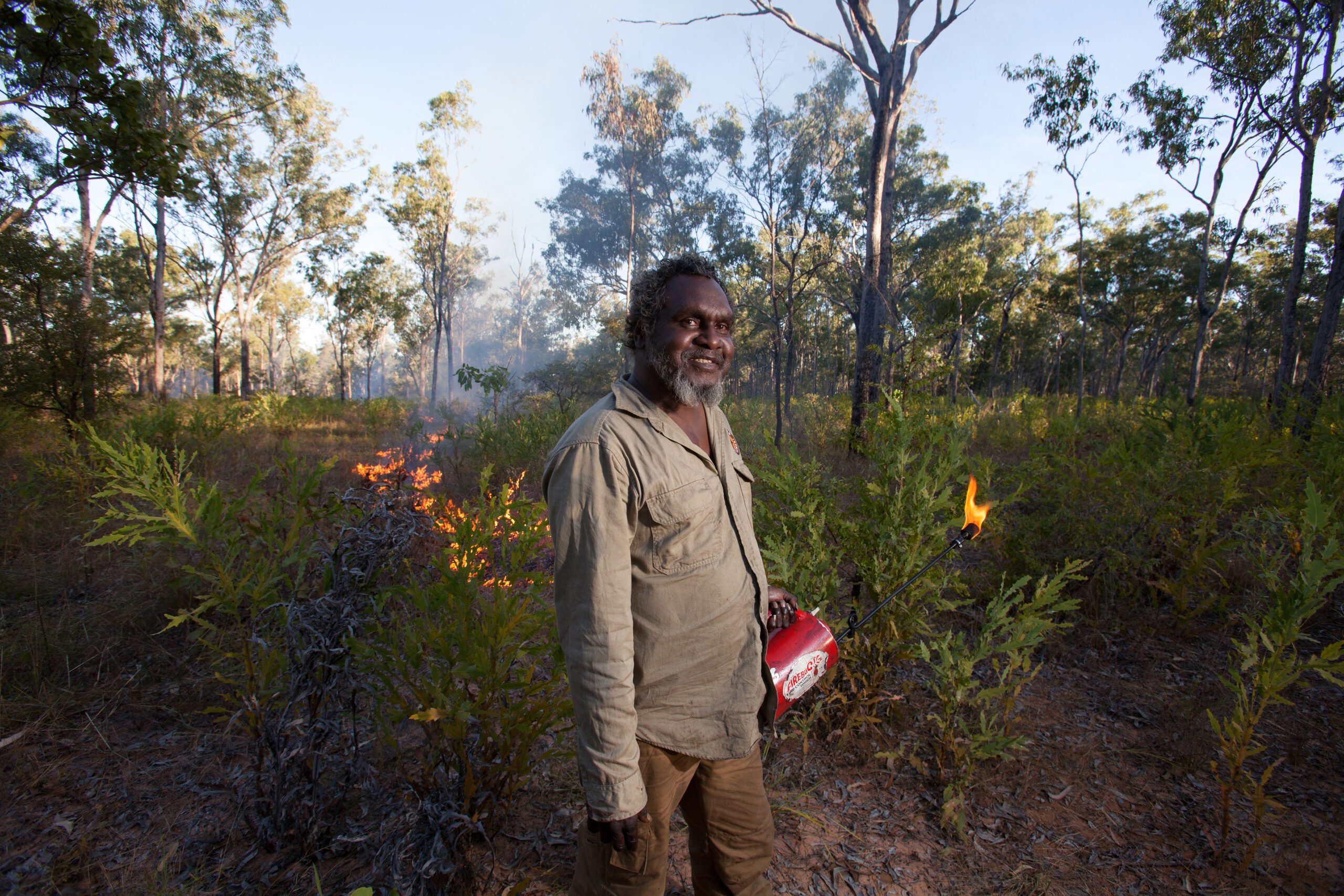
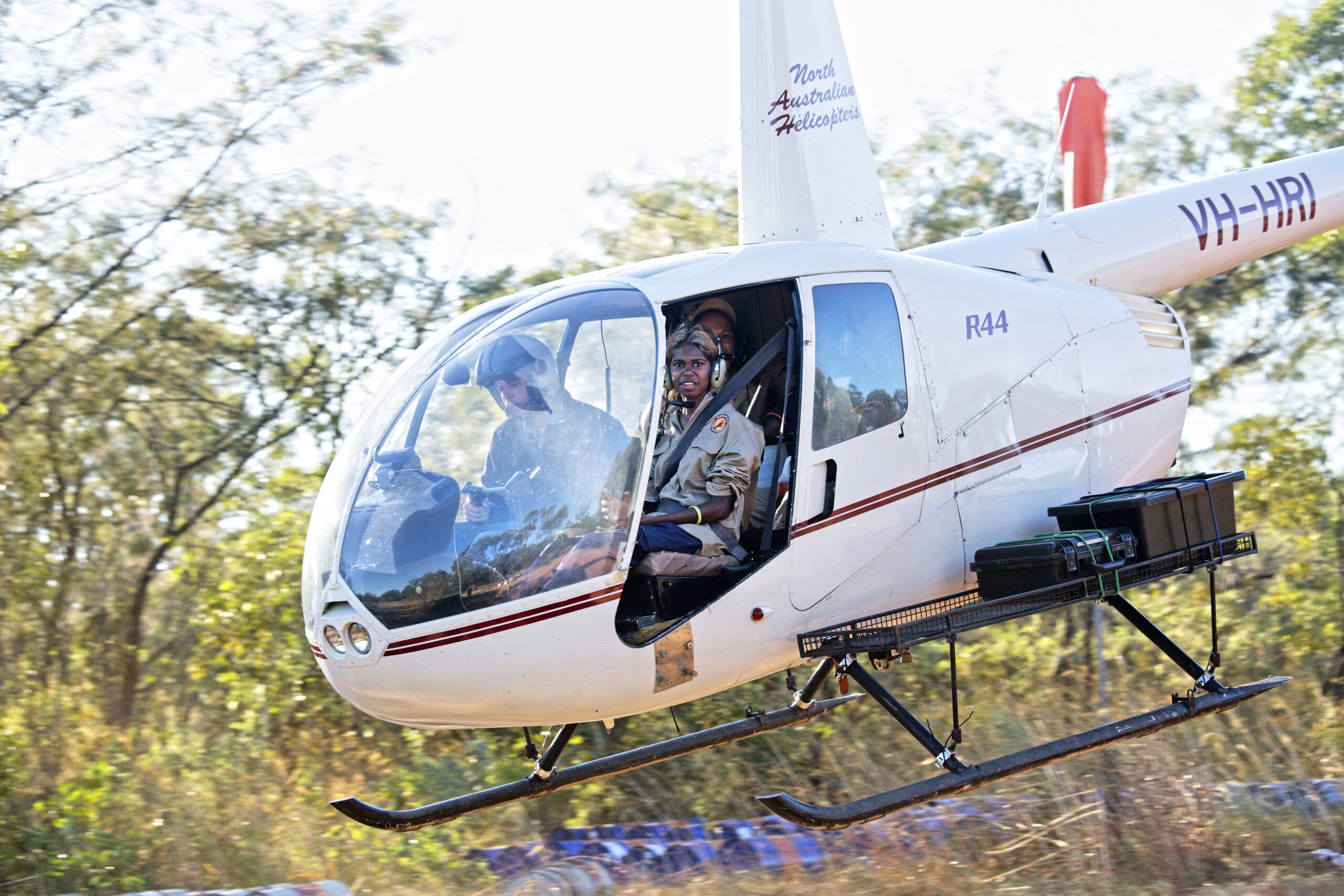
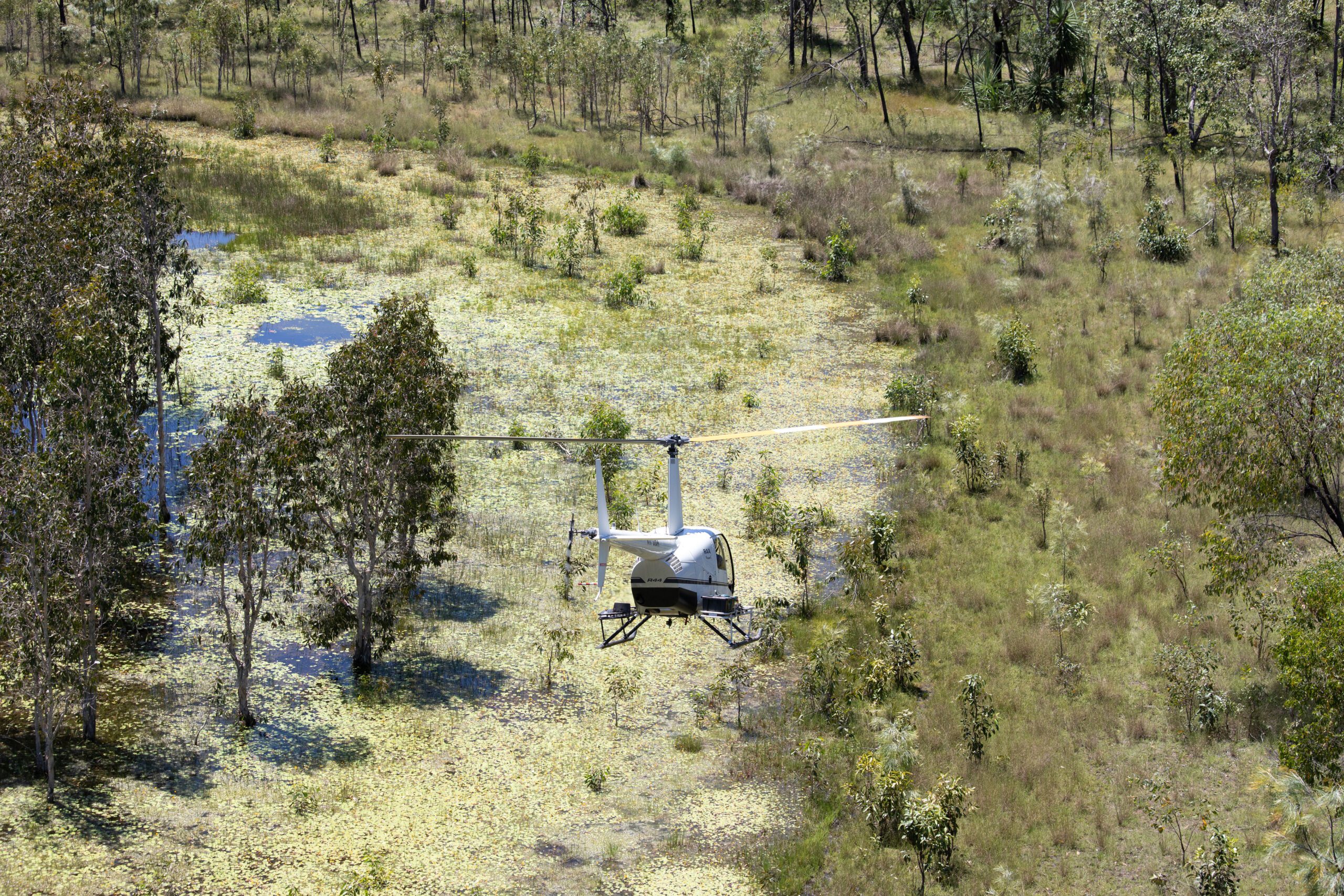
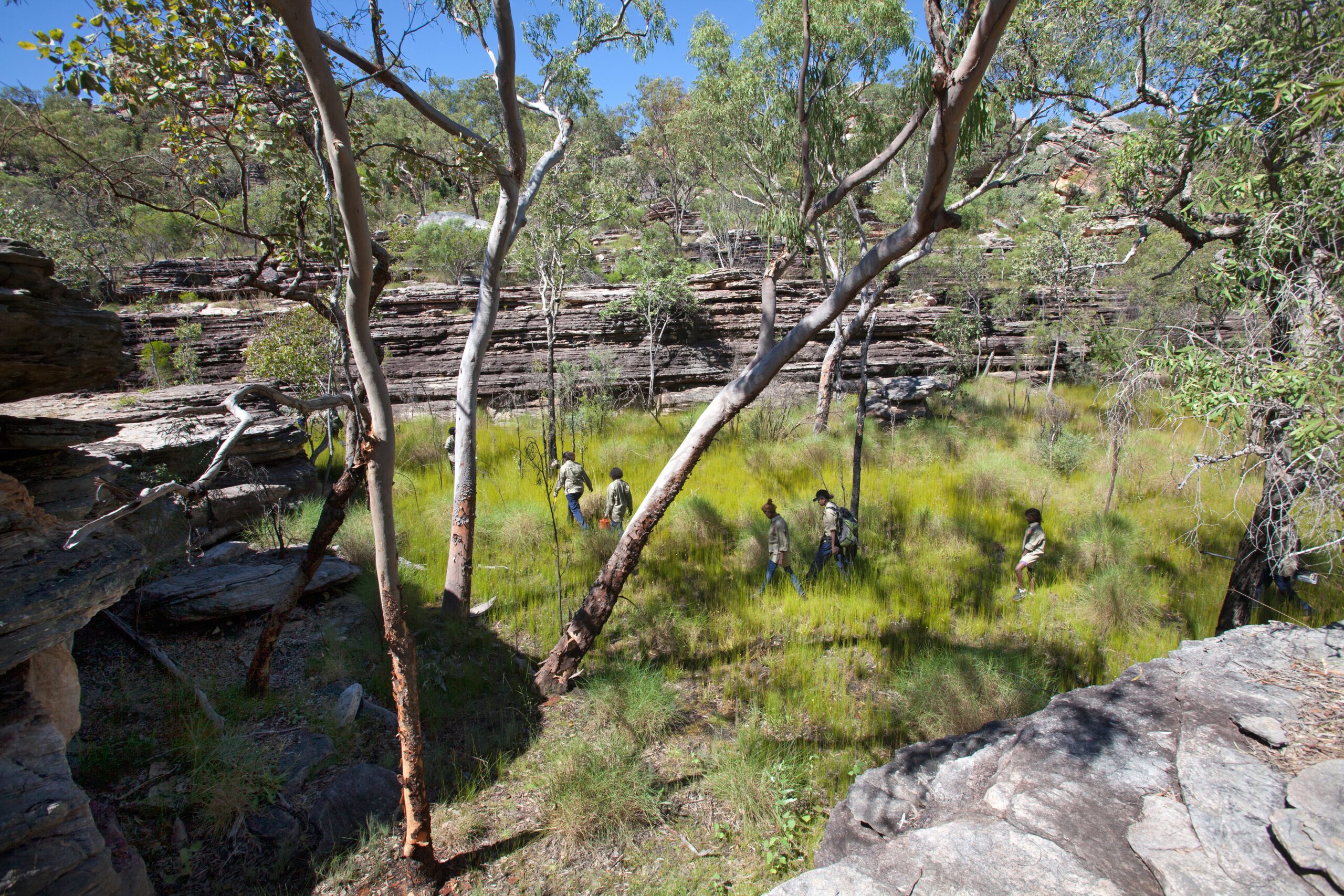
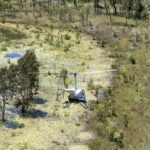
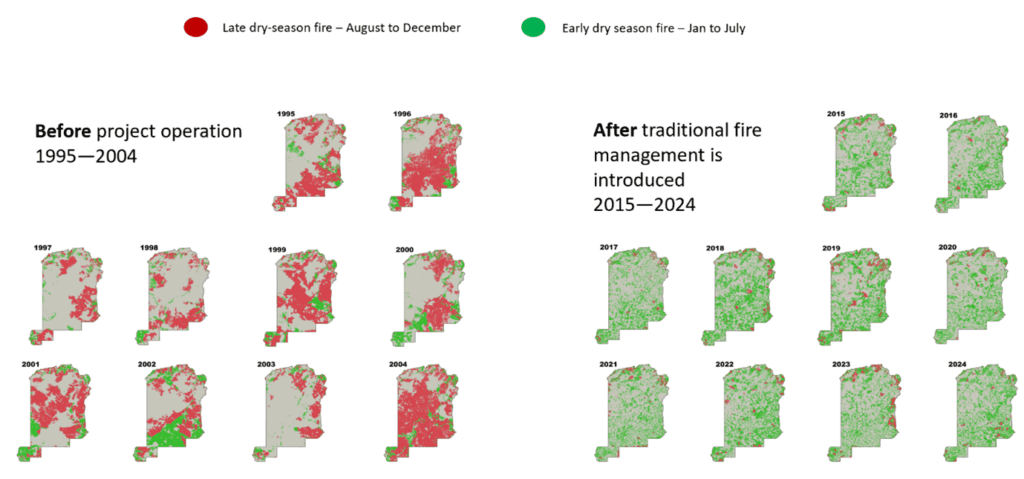
Arnhem Land’s vast savanna is one of the world’s most fire-prone landscapes. Left unchecked, large late dry-season fires can occur, releasing millions of tonnes of carbon and causing significant damage to important cultural sites and habitats. ALFA turns that story around. Drawing on 60,000 years of Indigenous knowledge, its 11 Aboriginal ranger groups conduct cool, early-season burns to lay a mosaic of natural firebreaks across 86,000 km²—an area larger than Tasmania—dramatically reducing the scale and intensity of wildfires.
Supporting ALFA credits does far more than cut emissions: it fuels self-determination, safeguards culturally and ecologically significant sites, and keeps Country healthy for generations to come. ALFA is a registered charity under the Australian Charities and Non-for-profit Commission and 100% Indigenous owned and operated.
How this Method works
Check out our Carbon Project Methods page for more information.
Who we work with
Arnhem Land Fire Abatement (ALFA) is an Aboriginal-owned, not-for-profit carbon farming organisation established in 2015 by Traditional Owners from Arnhem Land. ALFA was a critical advisor in the development of the savanna fire management method and has consequently enabled the utilisation of ancient fire knowledge in tandem with modern technology to create a key environmental solution at a local, national and global scale.
TEM and ALFA have established a trusted relationship over six years and TEM is the key channel to market for voluntary ALFA carbon credits.
Carbon Impact
Since their inception in 2015, the ALFA projects have collectively generated more than 6.5 million Australian Carbon Credit Units (ACCUs), avoiding the equivalent tonnes of carbon and positioning ALFA as Australia’s largest Indigenous carbon credit producer.
How this method works?
Learn and understand how this project leads to emissions reductions by viewing our Carbon Methods page.
Community Impact:
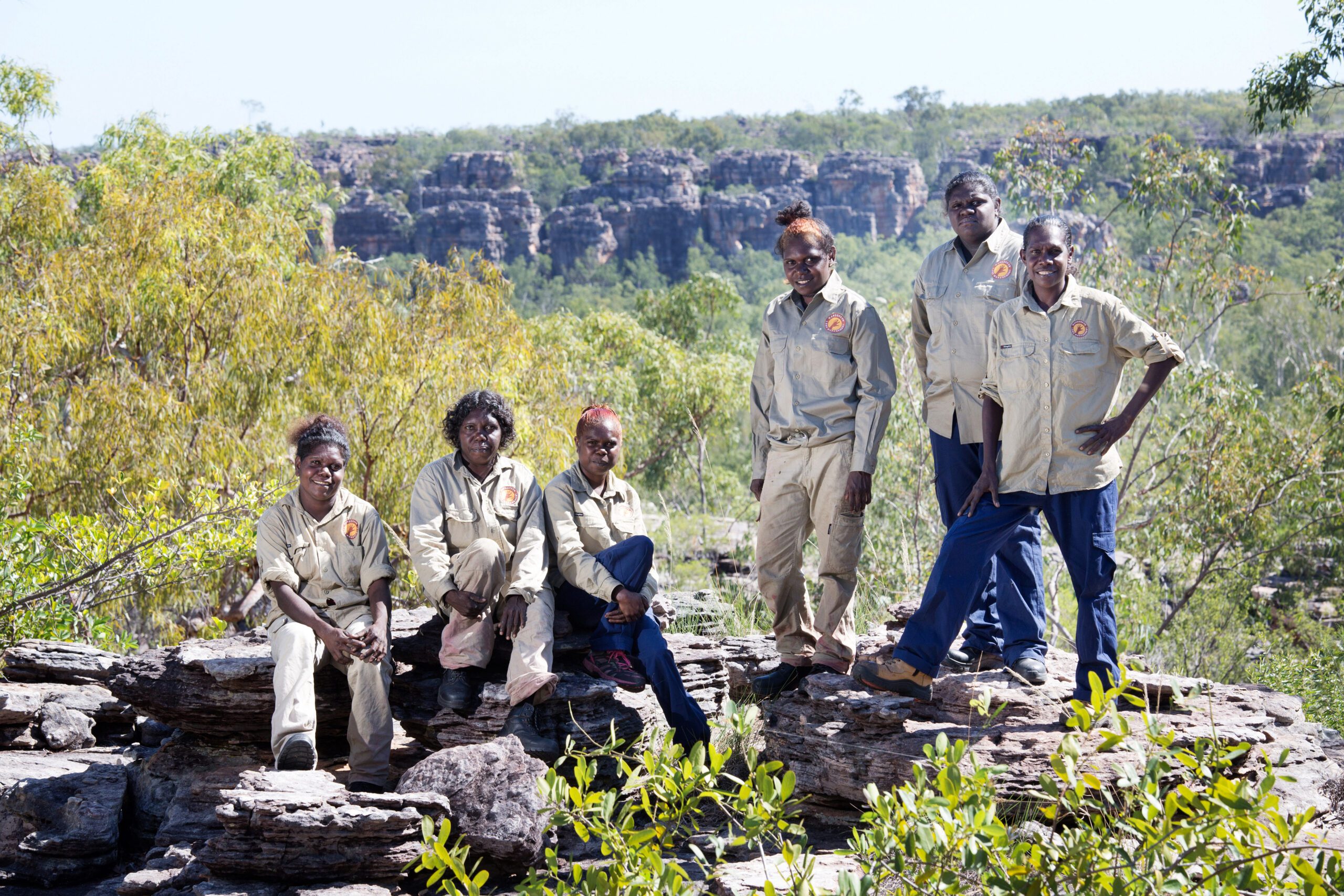
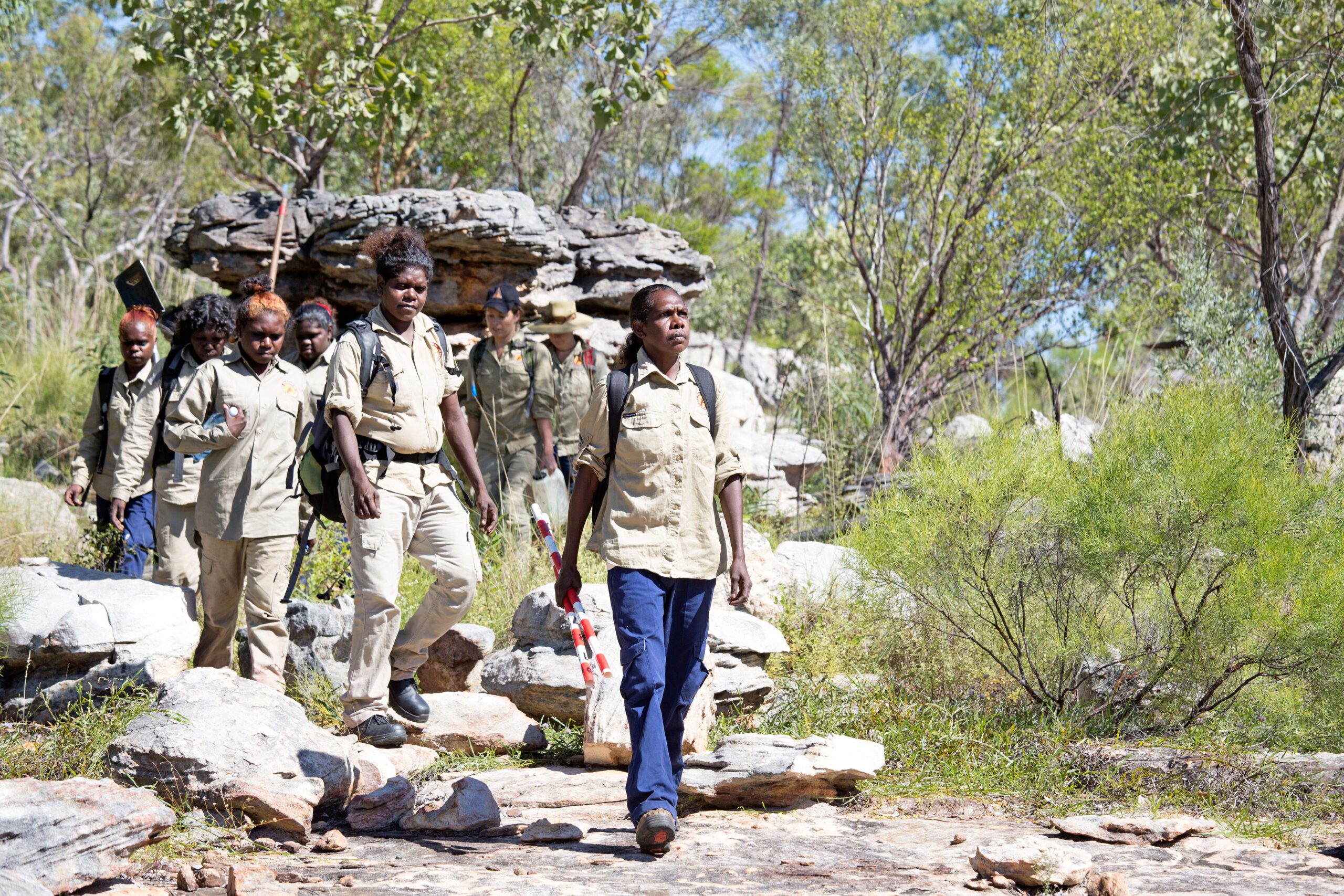
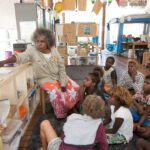
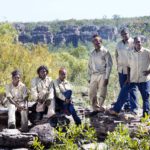
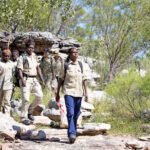
The projects have profound impacts on local community by providing employment and training opportunities for local rangers while supporting Aboriginal people in returning to, remaining on, and managing their Country.
- Revenue stays on Country – Up to 95 % of all income is reinvested through partner Aboriginal ranger groups, maximising local benefit while keeping overheads minimal.
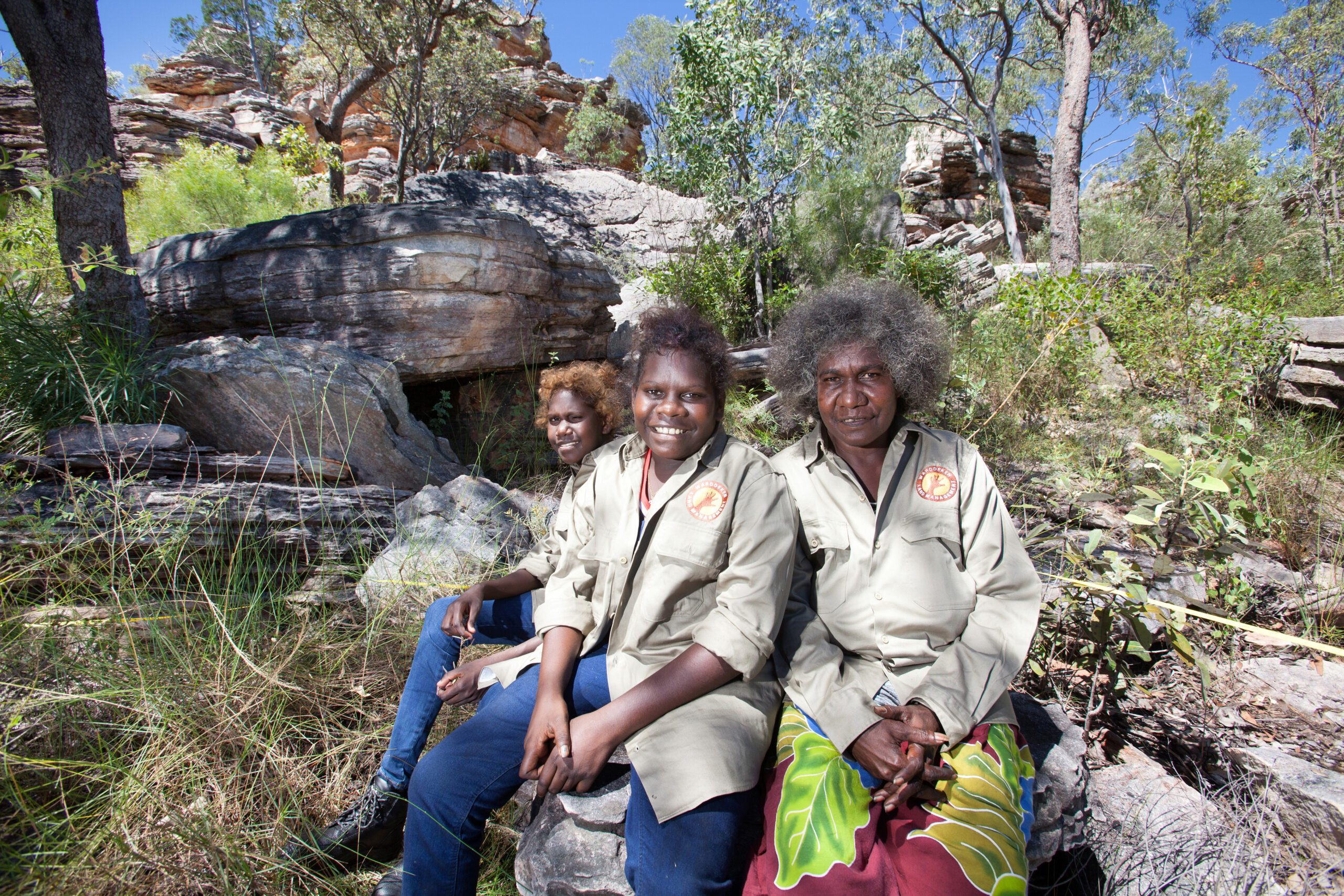
- Meaningful jobs & training – Ranger programs create sought-after employment in remote regions and now include a dedicated women’s ranger teams, with more women joining fire operations every year.
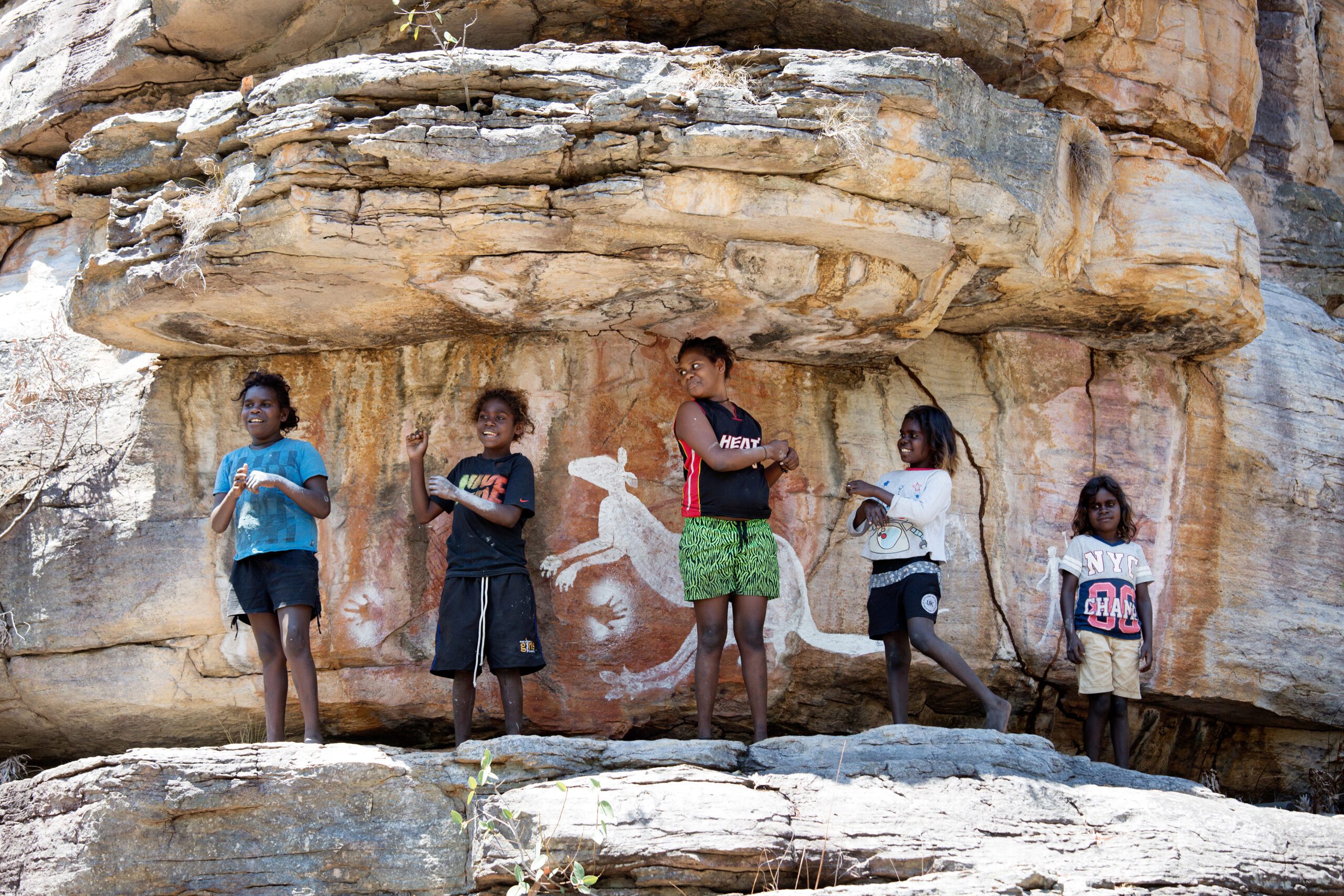
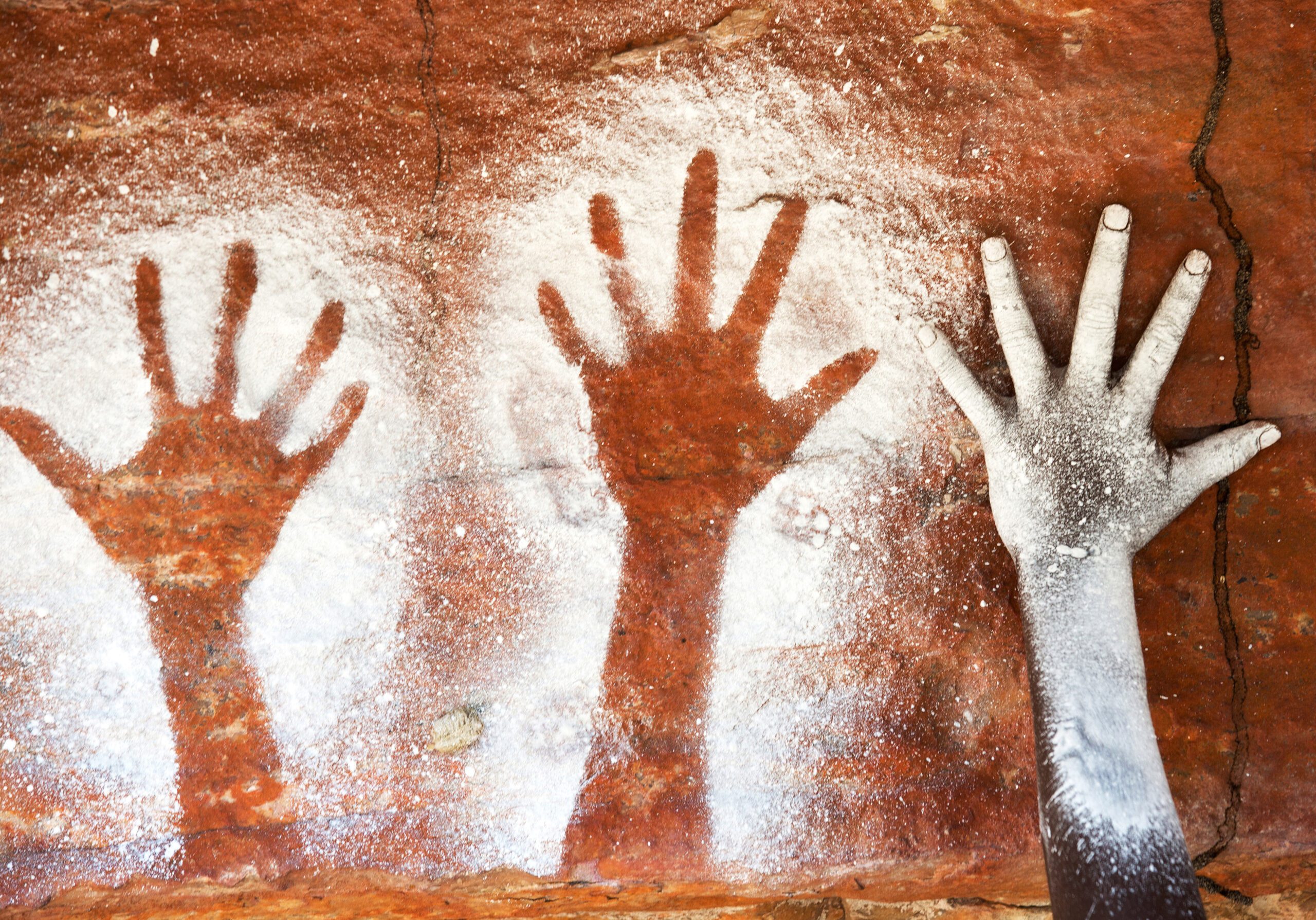
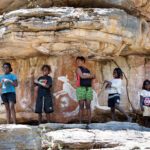
- Cultural resilience – Controlled burning reconnects people to Country, supports language and knowledge transfer, and enables elders to teach younger generations traditional land-management practices.