Why support this project?
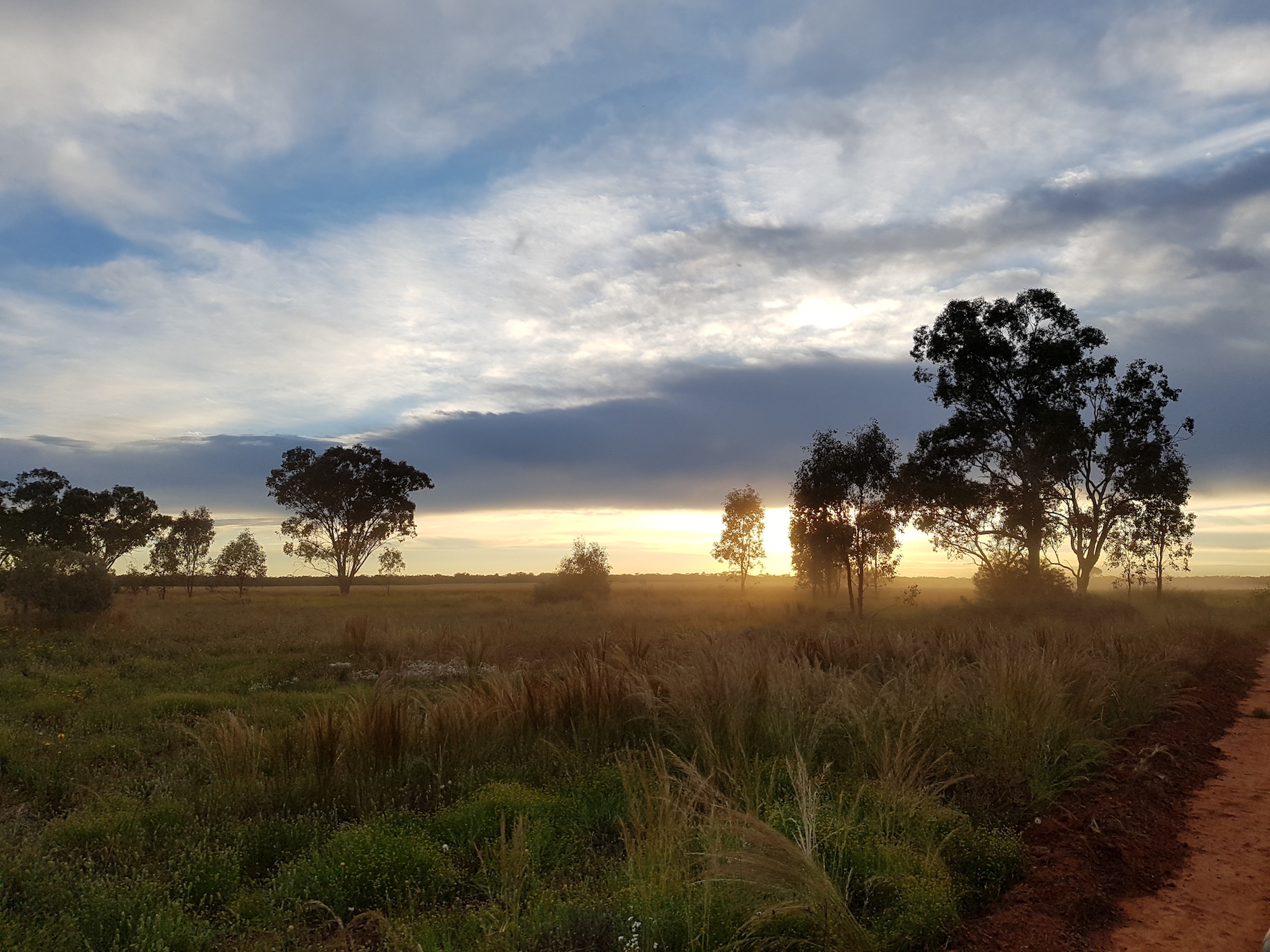
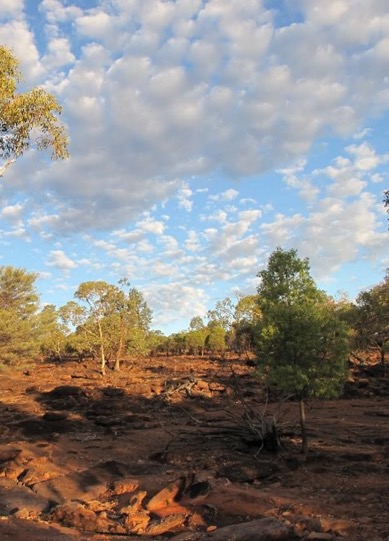
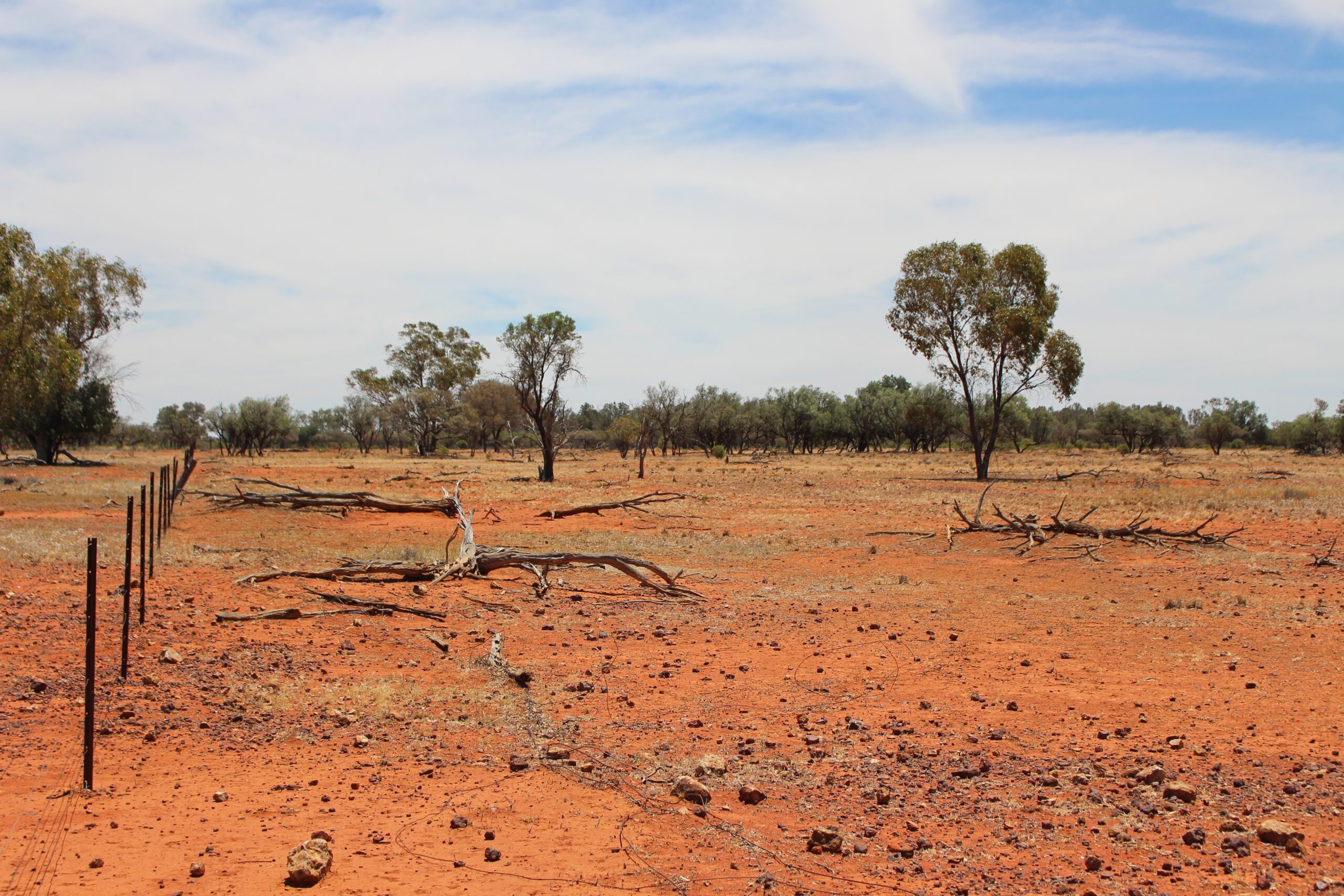
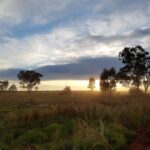
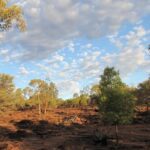
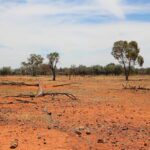
In New South Wales and South West Queensland, human-induced regeneration (HIR) projects restore native forests and promote more sustainable agriculture and land management practices. These carbon farming projects work with landholders to regenerate and protect native vegetation, improving agricultural? land and reducing salinity and erosion. By storing carbon in regenerated forests, they reduce atmospheric carbon and generate carbon credits .
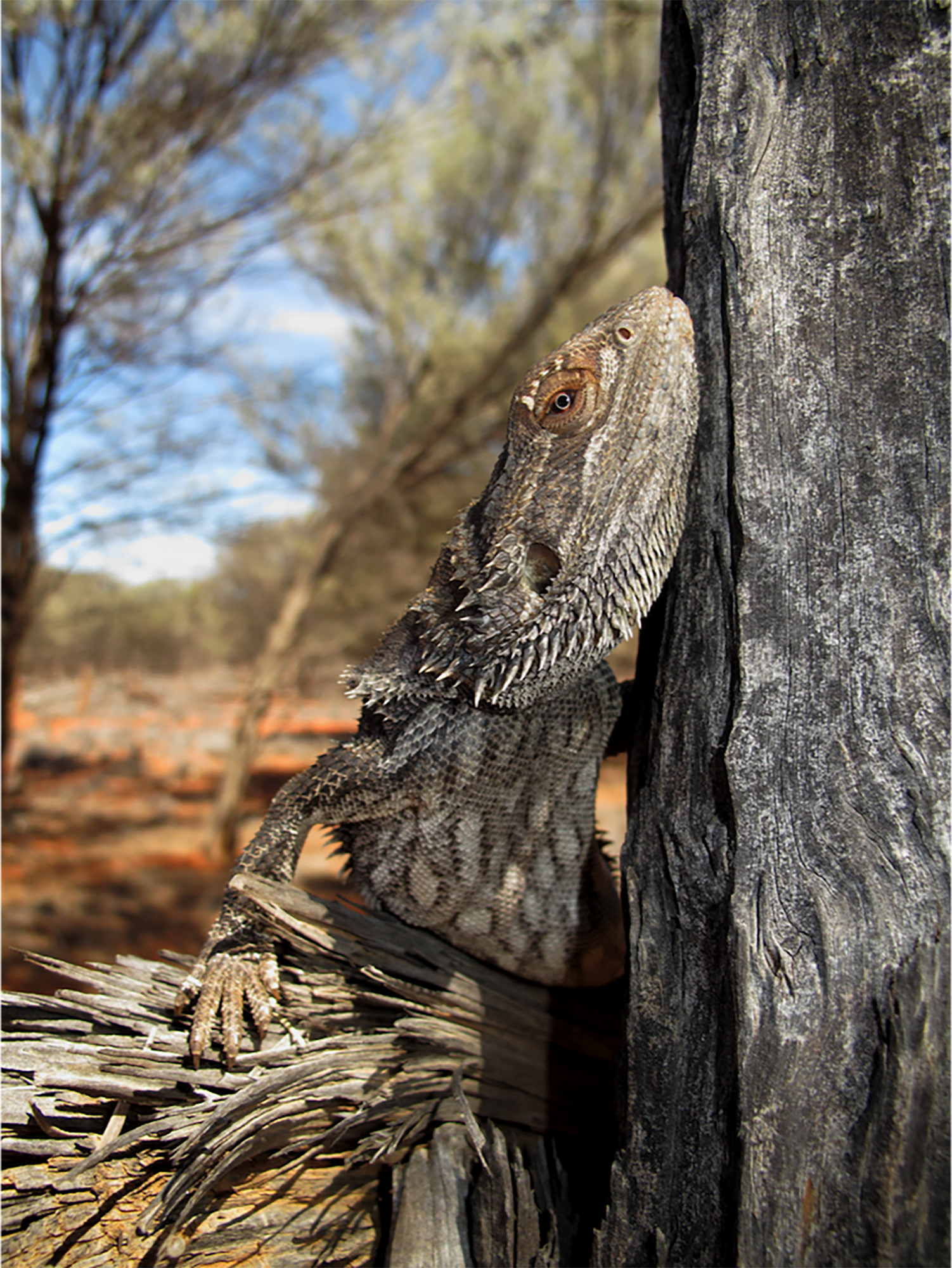
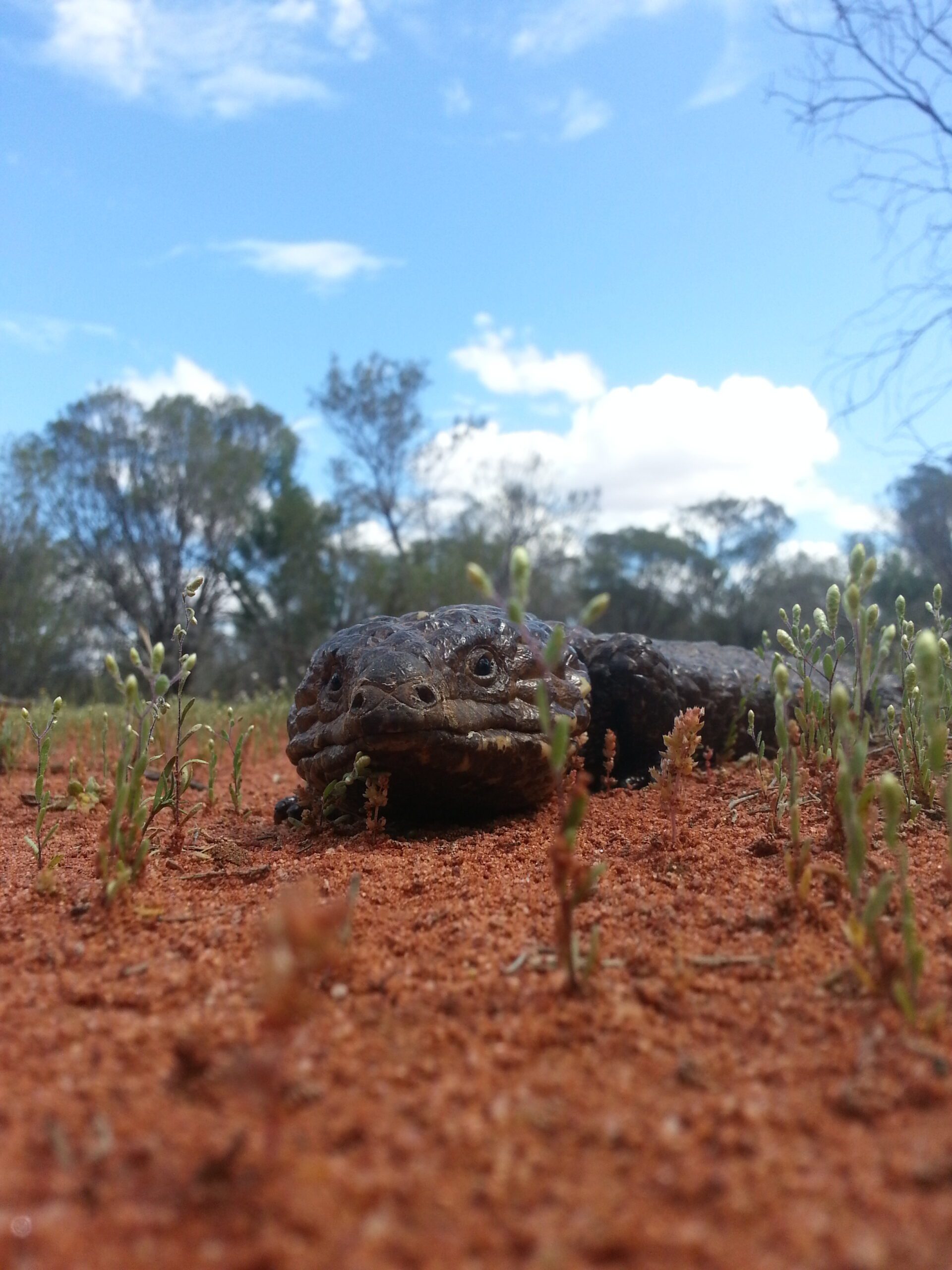
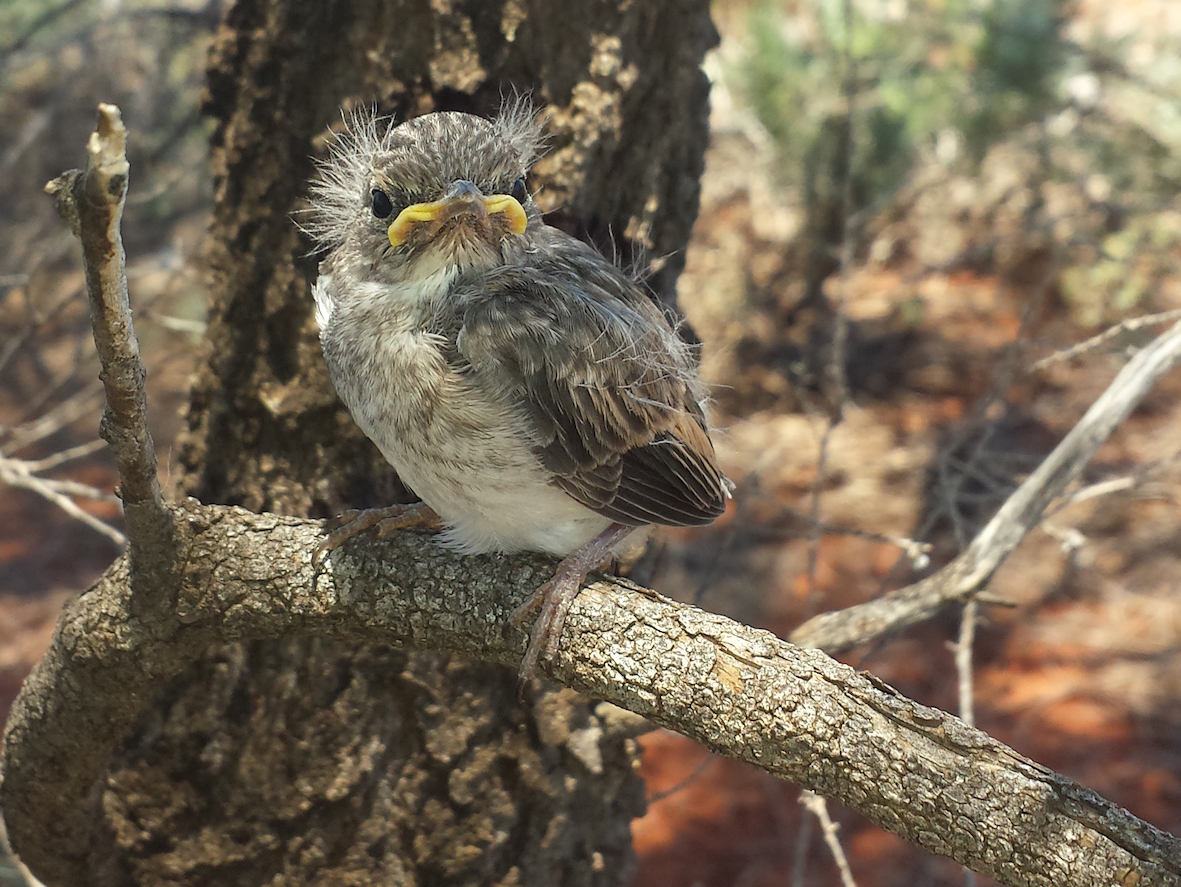
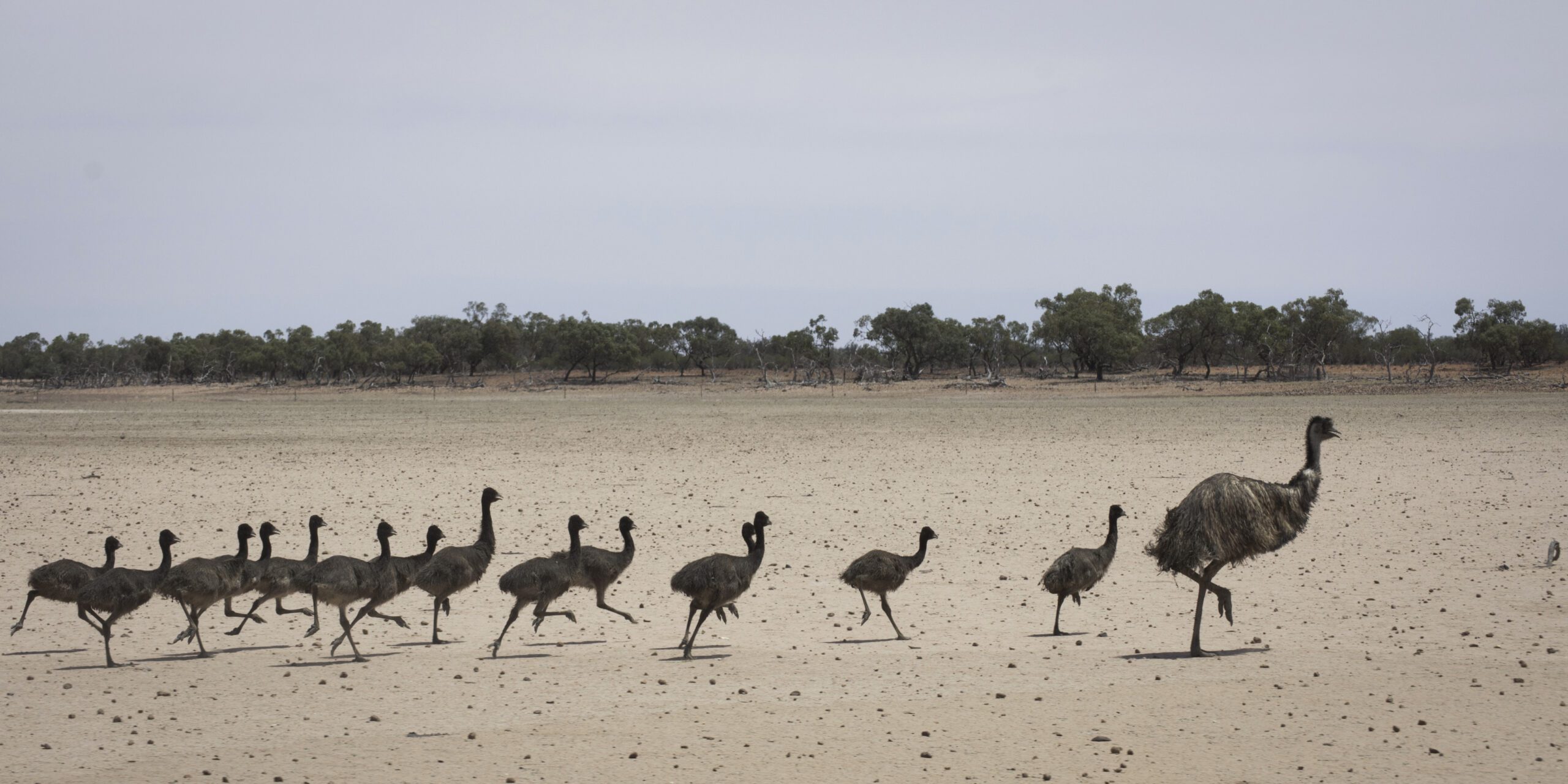
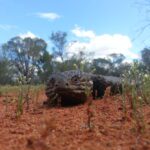
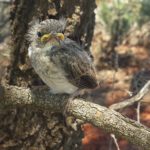
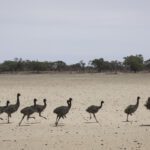
Widespread land clearing has significantly impacted local ecosystems, threatening food and habitat for native species and facilitating the spread of weeds and invasive animals. The project areas support indigenous plant species, providing vital habitat and nutrients for native? wildlife. By erecting fencing and managing invasive species, these projects avoid emissions from clearing and achieve key environmental and biodiversity benefits, while also providing income to farmers.
How this Method works
Check out our Carbon Project Methods page for more information.
Real and Lasting Impact:
Permanence: HIR project activities must generate permanent removals of GHG emissions. This requires that the carbon sequestered and stored in regenerated biomass will not be released due to unmitigated risk factors including wildfire, extreme weather events, over-grazing and feral animal proliferation. HIR projects take extensive action to mitigate risks to the permanence of GHG emissions removals and are subject to a permanence period of up to 100 years.
Additionality: A project is additional if the GHG emissions removals would not occur without the implementation of the project activities. HIR projects take place on land where native forest growth has been suppressed for at least 10 years prior to the commencement of project activities (the baseline period). HIR projects should demonstrate that land management changes, including the immediate cessation of native forest clearing, would not have occurred without the intervention of the HIR project. Furthermore, HIR projects should demonstrate to the regulator that land management changes are not required by Local, State or Federal Law.
Leakage: In the context of HIR projects, leakage refers to the risk that the commencement of HIR project activities in a Carbon Estimation Area (CEA) leads to a measurable decline in forest cover and emissions increases outside the CEA.
SDGs: The project helps to address the following United Nations Sustainable Development Goals: