Why support this project?
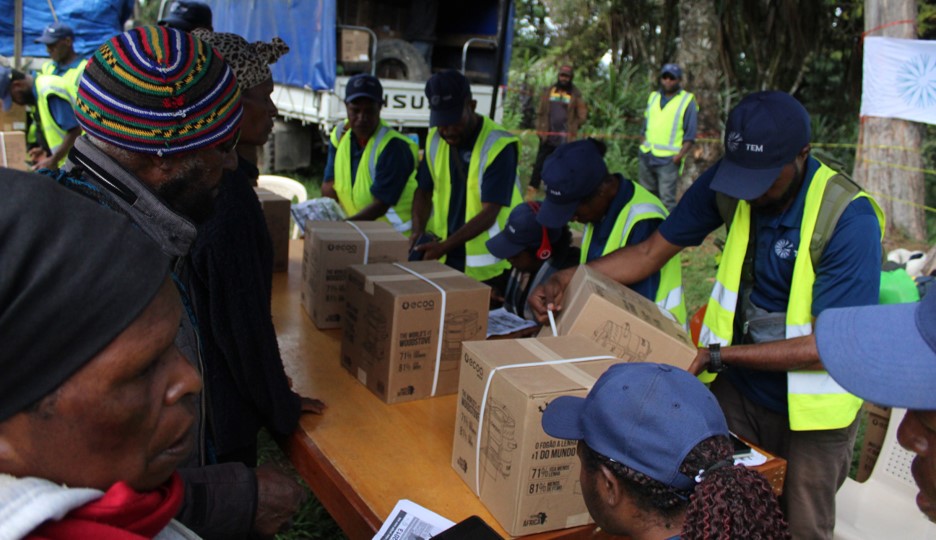
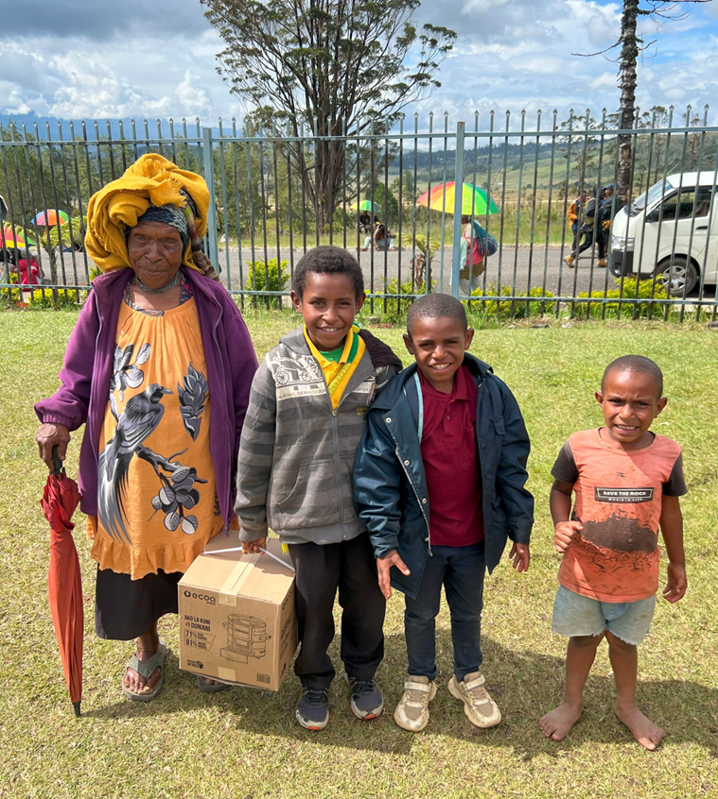
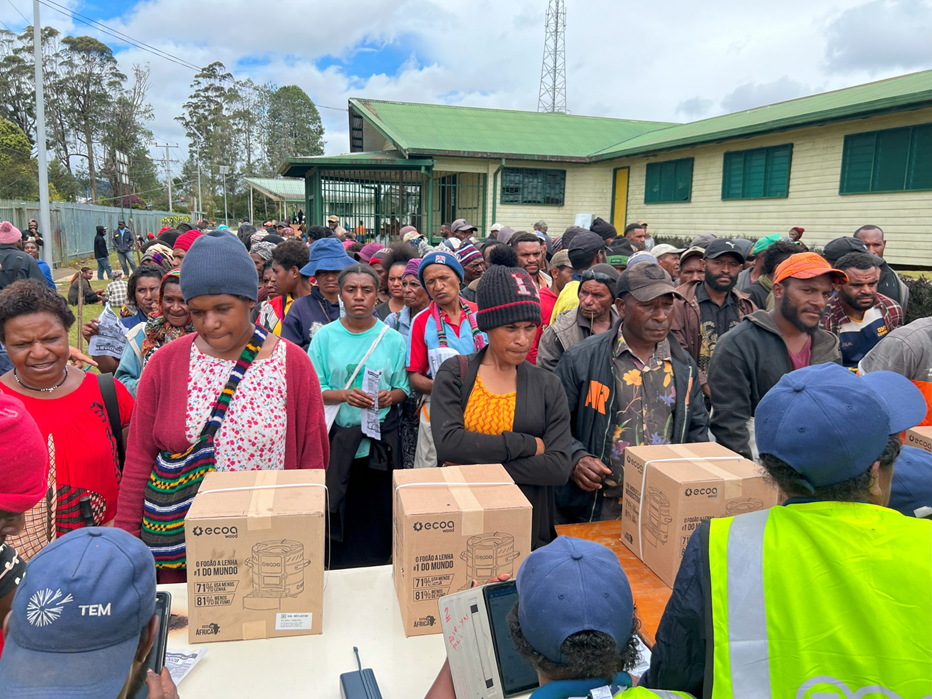
Papua New Guinea’s Highland communities have long relied on open-fire cooking — a practice that fills homes with toxic smoke, depletes ancient rainforests, and consumes hours of daily labour. The ‘Healthy Homes, Healthier Forests’ project addresses all of this at once. By distributing high-efficiency improved cookstoves (ICS) free of charge to households across four Highland provinces, the project dramatically reduces harmful indoor air pollution, cuts firewood consumption, and protects ecologically significant forests. The first project issuing credits under the rigorous Verra VM0050 methodology, every credit you purchase directly funds decarbonization, cleaner air, healthier families, and preserved biodiversity in the highlands of PNG.
Who we work with?
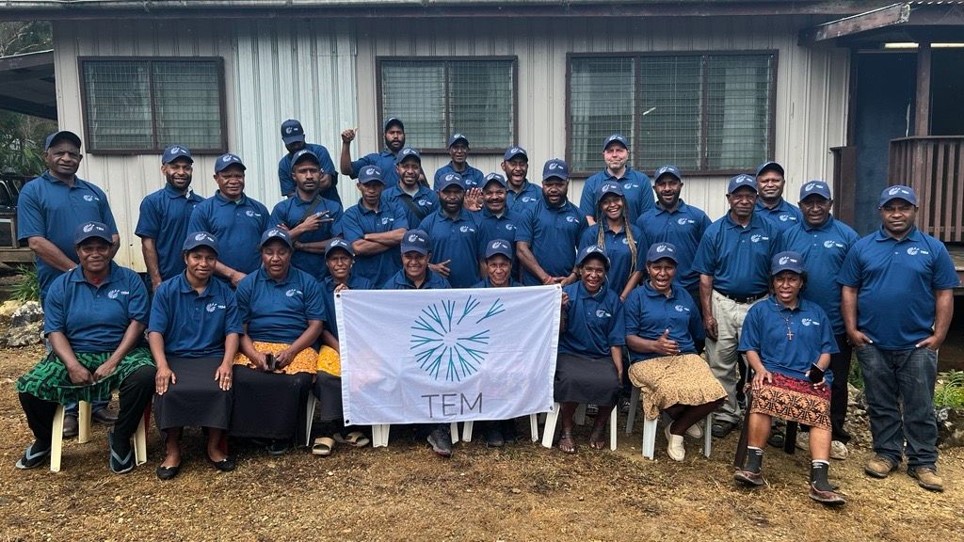
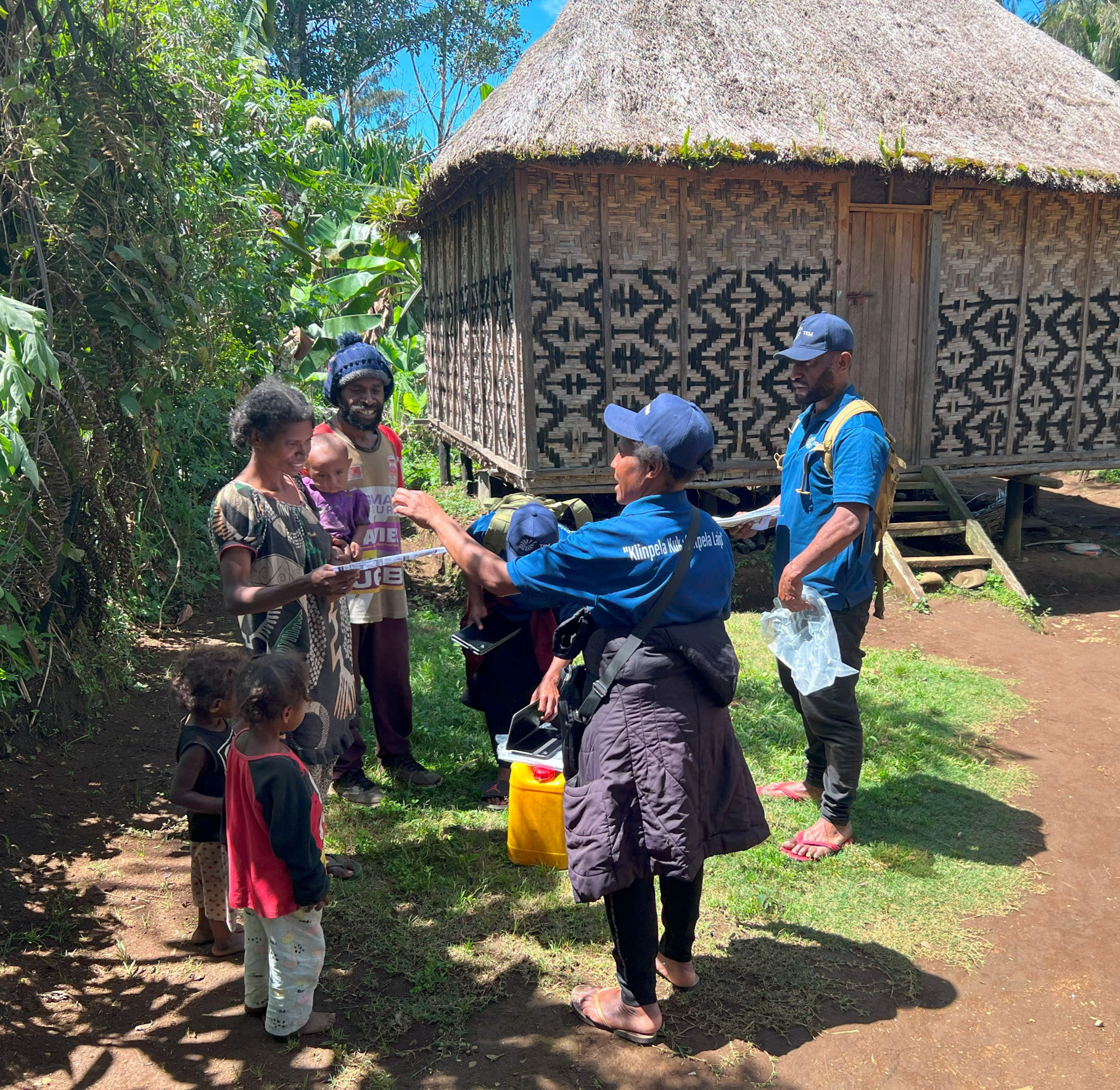
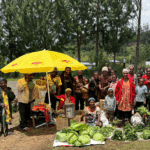
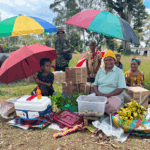
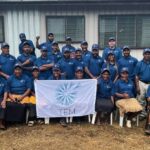
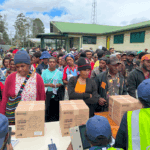
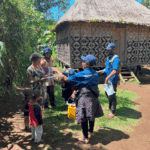
This project is delivered by Tasman Environmental Markets (TEM) in close collaboration with Papua New Guinea’s Climate Change and Development Authority (CCDA), provincial and local level governments, and the PNG University of Technology. Community engagement is led by locally recruited and trained field teams, ensuring distribution, consent, and ongoing monitoring are grounded in trust and genuine community partnership.
Carbon Impact
Plans for future expansion for the project, from 20,000 to 200,000 cookstoves distributed, means that the expected carbon abated per year is more than 350,000 tCO2e across the project lifetime (10 years).
Project Registry Link:
Community and Biodiversity impact:
The benefits of this project extend far beyond the kitchen. By reducing reliance on firewood, the project directly shields PNG’s ecologically rich rainforests from deforestation — avoiding an estimated 3.2 million tonnes of CO₂ emissions over the project’s 10-year lifetime.
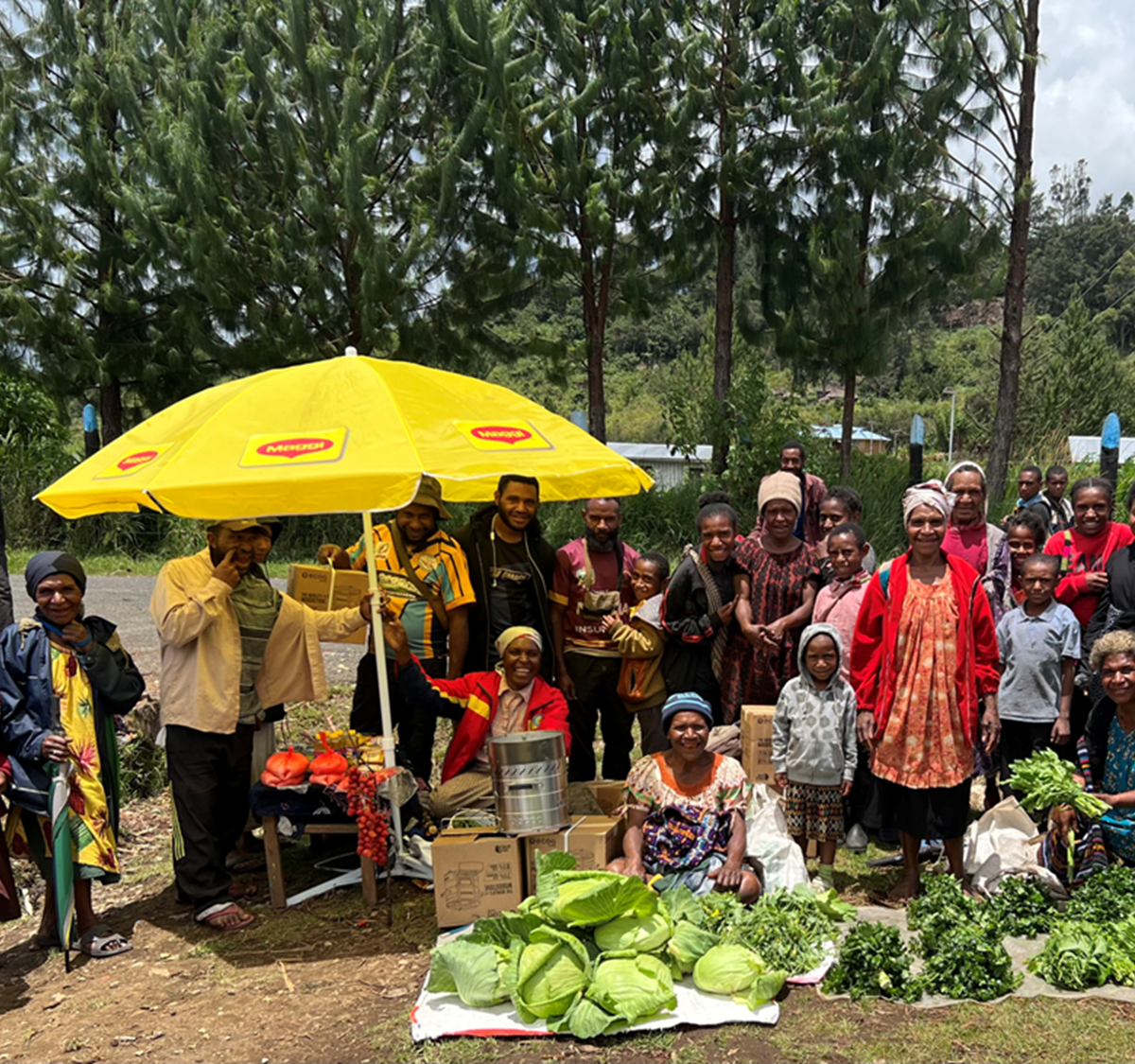
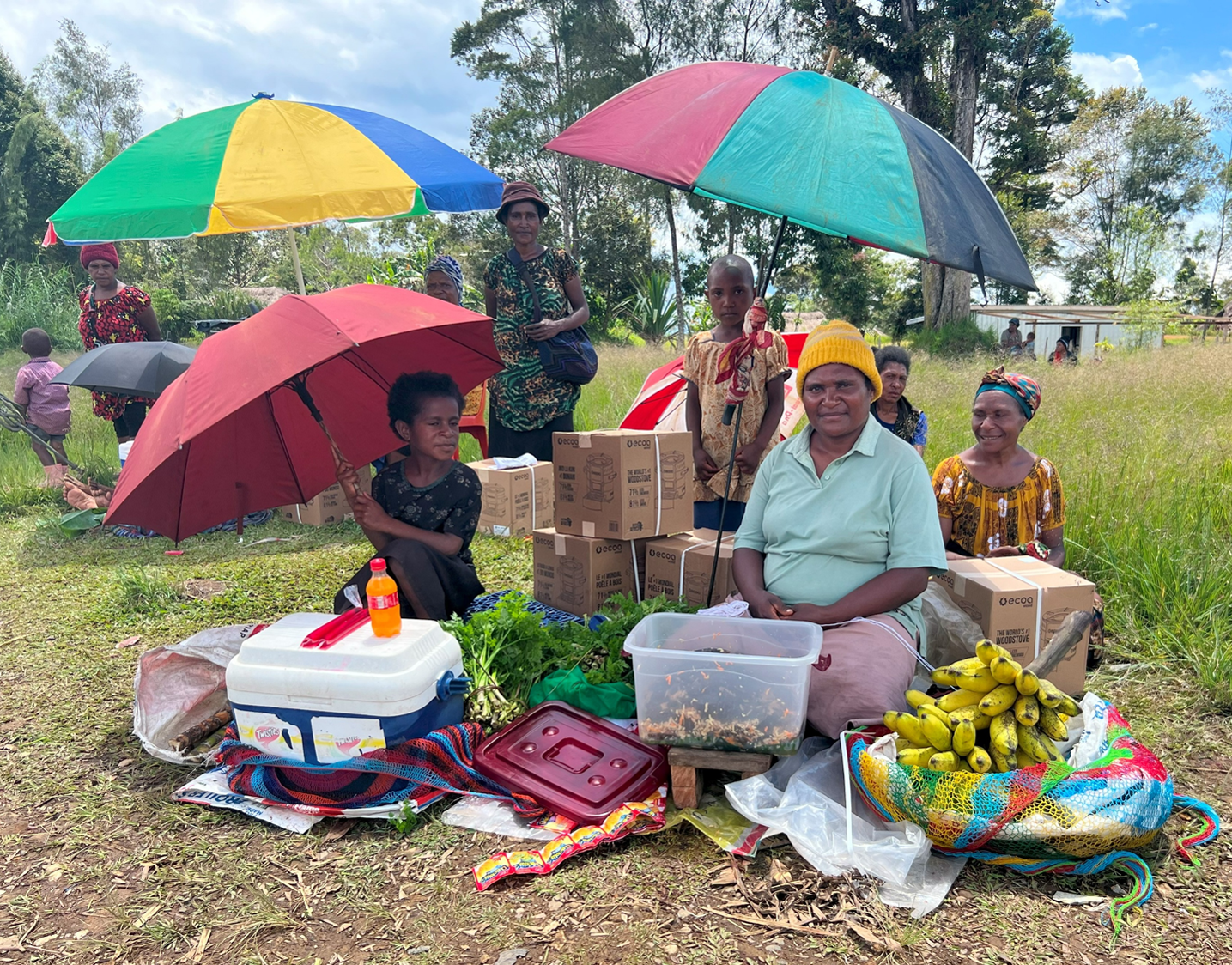
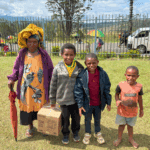
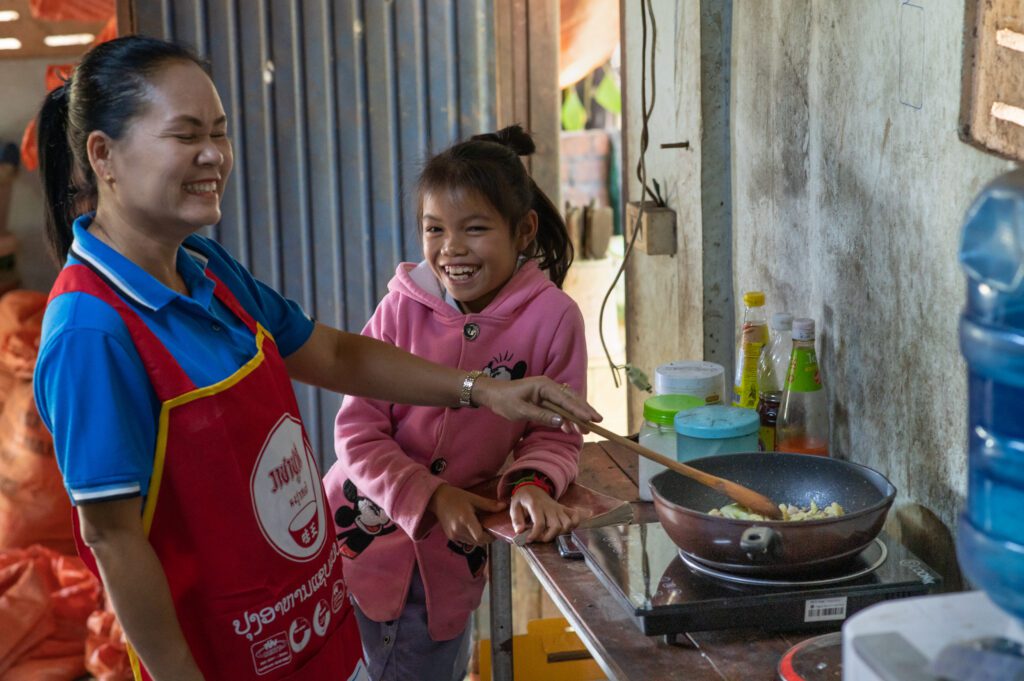
For women and children, who carry the greatest burden of firewood collection and cooking, the improved cookstoves reclaim up to 8 hours of labour per week and cut exposure to toxic smoke — a leading cause of nearly 2 million deaths globally each year. Healthier children attend school more consistently; safer households build stronger communities.
The project is also driving lasting economic change. Thirty full-time local jobs were created in the first year, alongside educational programmes in Environmental Science and Sustainability and employment pathways for graduating students. Revenue from carbon credit sales flows directly to PNG’s Climate Change and Development Authority, funding national climate action and stimulating broader economic development and positioning PNG’s Highland provinces as a model for community-led climate action.